Truck engines are the heart of heavy vehicles, powering logistics, construction, and long-distance transportation. Understanding how these engines function, their types, and maintenance requirements can save fleet operators time and cost while improving performance and durability.
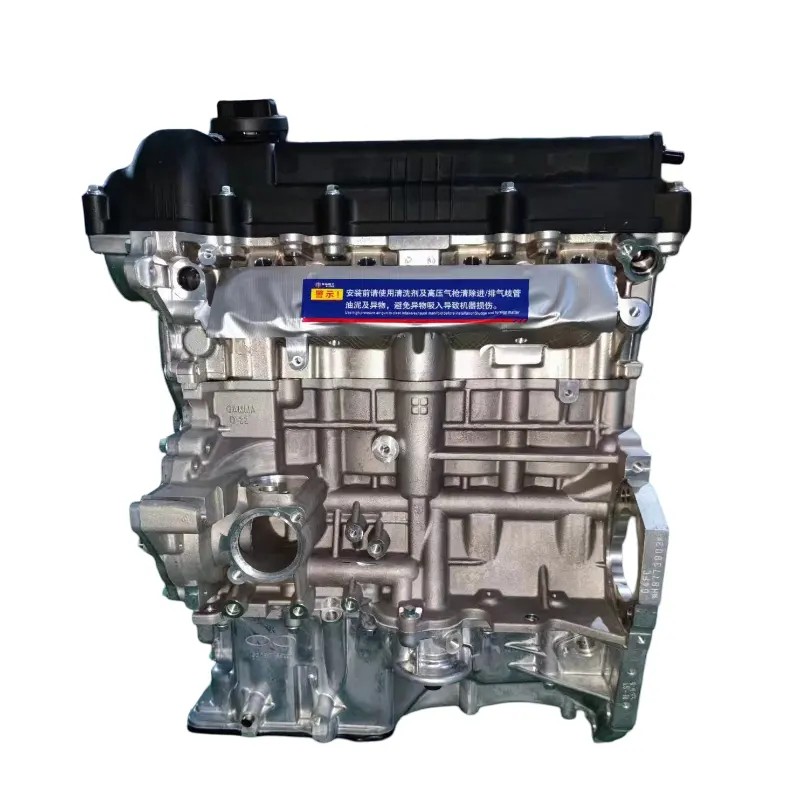
Table of Contents
Types of Truck Engines
Truck engines can be categorized based on fuel type, cylinder configuration, and performance features. The most common types include:
-
Diesel Engines: Known for fuel efficiency, torque, and long lifespan. Ideal for heavy-duty trucks.
-
Gasoline Engines: Typically found in light trucks, offering higher speed but lower torque compared to diesel.
-
Hybrid Engines: Combine electric motors with traditional fuel engines for improved efficiency and reduced emissions.
-
Electric Truck Engines: Emerging technology focusing on zero emissions, with high torque but limited range compared to diesel trucks.
Key Components of a Truck Engine
Understanding the major components of a truck engine is essential for troubleshooting and maintenance:
|
Component
|
Function
|
|
Engine Block
|
The main structure housing cylinders and internal parts.
|
|
Pistons
|
Convert fuel combustion into mechanical motion.
|
|
Crankshaft
|
Transforms piston movement into rotational force for the drivetrain.
|
|
Camshaft
|
Controls the opening and closing of engine valves.
|
|
Fuel Injection System
|
Delivers fuel to the combustion chamber with precise timing.
|
|
Turbocharger
|
Boosts engine power by compressing air into the cylinders.
|
|
Cooling System
|
Prevents overheating by circulating coolant through the engine.
|
|
Exhaust System
|
Removes combustion gases efficiently and reduces emissions.
|
How a Truck Engine Works
Truck engines operate through controlled combustion cycles. Diesel engines use compression ignition, while gasoline engines rely on spark ignition. The main steps include:
-
Intake Stroke: Air (and fuel in gasoline engines) enters the cylinder.
-
Compression Stroke: The mixture is compressed to increase pressure and temperature.
-
Combustion Stroke: Fuel ignites, generating power to push the piston down.
-
Exhaust Stroke: Exhaust gases are expelled from the cylinder.
This cycle repeats thousands of times per minute, producing the continuous power needed to move heavy loads.
Maintenance Tips for Longevity
Proper maintenance is critical for maximizing the lifespan and efficiency of truck engines. Key recommendations include:
-
Regular oil changes using manufacturer-recommended grades.
-
Checking and replacing air and fuel filters periodically.
-
Monitoring coolant levels and preventing leaks.
-
Inspecting belts, hoses, and turbochargers for wear.
-
Performing scheduled engine diagnostics and performance checks.
-
Ensuring proper fuel quality to prevent injector clogging.
Common Truck Engine Problems
Truck engines may encounter issues that affect performance and durability. Common problems include:
-
Overheating: Often due to coolant leaks, radiator issues, or blocked airflow.
-
Oil Leaks: Caused by worn gaskets or seals, leading to lubrication problems.
-
Starting Failures: Can result from battery, starter, or fuel delivery issues.
-
Excessive Smoke: Indicates fuel combustion issues or worn engine components.
-
Loss of Power: May occur due to clogged filters, fuel pump failure, or turbocharger issues.
Frequently Asked Questions
-
Q: How often should a truck engine be serviced?
A: Follow manufacturer recommendations, typically every 10,000–15,000 miles for oil changes and major inspections annually.
-
Q: Can diesel and gasoline truck engines use the same parts?
A: No. Diesel engines require higher compression components, specialized injectors, and stronger materials.
-
Q: What is the average lifespan of a truck engine?
A: With proper maintenance, diesel engines can last 1,000,000 miles or more, while gasoline engines may last 300,000–500,000 miles.
 English
 Esperanto
  Afrikaans
  Català
  שפה עברית
  Cymraeg
  Galego
  Latviešu
  icelandic
  ייִדיש
  беларускі
  Hrvatski
  Kreyòl ayisyen
  Shqiptar
  Malti
Malti  lugha ya Kiswahili
  አማርኛ
አማርኛ  Bosanski
  Frysk
Frysk  ភាសាខ្មែរ
  ქართული
  ગુજરાતી
  Hausa
Hausa  Кыргыз тили
  ಕನ್ನಡ
ಕನ್ನಡ  Corsa
Corsa  Kurdî
Kurdî  മലയാളം
  Maori
Maori  Монгол хэл
  Hmong
Hmong  IsiXhosa
  Zulu
Zulu  Punjabi
  پښتو
پښتو  Chichewa
  Samoa
Samoa  Sesotho
  සිංහල
සිංහල  Gàidhlig
  Cebuano
  Somali
  Тоҷикӣ
  O'zbek
  Hawaiian
  سنڌي
سنڌي  Shinra
  Հայերեն
  Igbo
Igbo  Sundanese
  Lëtzebuergesch
  Malagasy
  Yoruba
  অসমীয়া
  ଓଡିଆ
ଓଡିଆ  Español
  Português
  русский
  Français
  日本語
日本語  Deutsch
  tiếng Việt
  Italiano
  Nederlands
  ภาษาไทย
  Polski
  한국어
한국어  Svenska
  magyar
  Malay
Malay  বাংলা ভাষার
  Dansk
Dansk  Suomi
Suomi  हिन्दी
  Pilipino
  Türkçe
  Gaeilge
  العربية
  Indonesia
  Norsk
Norsk  تمل
تمل  český
český  ελληνικά
  український
  Javanese
  فارسی
فارسی  தமிழ்
தமிழ்  తెలుగు
  नेपाली
  Burmese
  български
  ລາວ
ລາວ  Latine
  Қазақша
  Euskal
  Azərbaycan
  Slovenský jazyk
  Македонски
  Lietuvos
  Eesti Keel
  Română
  Slovenski
  मराठी
मराठी  Srpski језик