 English
 Esperanto
  Afrikaans
  Català
  שפה עברית
  Cymraeg
  Galego
  Latviešu
  icelandic
  ייִדיש
  беларускі
  Hrvatski
  Kreyòl ayisyen
  Shqiptar
  Malti
Malti  lugha ya Kiswahili
  አማርኛ
አማርኛ  Bosanski
  Frysk
Frysk  ភាសាខ្មែរ
  ქართული
  ગુજરાતી
  Hausa
Hausa  Кыргыз тили
  ಕನ್ನಡ
ಕನ್ನಡ  Corsa
Corsa  Kurdî
Kurdî  മലയാളം
  Maori
Maori  Монгол хэл
  Hmong
Hmong  IsiXhosa
  Zulu
Zulu  Punjabi
  پښتو
پښتو  Chichewa
  Samoa
Samoa  Sesotho
  සිංහල
සිංහල  Gàidhlig
  Cebuano
  Somali
  Тоҷикӣ
  O'zbek
  Hawaiian
  سنڌي
سنڌي  Shinra
  Հայերեն
  Igbo
Igbo  Sundanese
  Lëtzebuergesch
  Malagasy
  Yoruba
  অসমীয়া
  ଓଡିଆ
ଓଡିଆ  Español
  Português
  русский
  Français
  日本語
日本語  Deutsch
  tiếng Việt
  Italiano
  Nederlands
  ภาษาไทย
  Polski
  한국어
한국어  Svenska
  magyar
  Malay
Malay  বাংলা ভাষার
  Dansk
Dansk  Suomi
Suomi  हिन्दी
  Pilipino
  Türkçe
  Gaeilge
  العربية
  Indonesia
  Norsk
Norsk  تمل
تمل  český
český  ελληνικά
  український
  Javanese
  فارسی
فارسی  தமிழ்
தமிழ்  తెలుగు
  नेपाली
  Burmese
  български
  ລາວ
ລາວ  Latine
  Қазақша
  Euskal
  Azərbaycan
  Slovenský jazyk
  Македонски
  Lietuvos
  Eesti Keel
  Română
  Slovenski
  मराठी
मराठी  Srpski језик


How Do Bucket Teeth Improve Excavation Efficiency?
Article Abstract
Bucket teeth are critical wear components used on excavator and loader buckets, directly influencing digging efficiency, fuel consumption, and operating costs. Selecting the right bucket teeth is not only a technical decision but also a strategic one that affects productivity, downtime, and long-term equipment performance. This article explains how bucket teeth work, how different designs address common customer pain points, and how to choose, maintain, and replace them effectively for demanding working conditions.
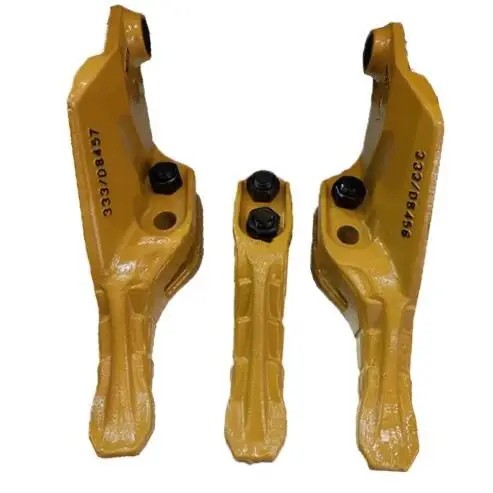
Table of Contents
- Article Outline
- What Are Bucket Teeth?
- Common Customer Challenges in Excavation
- How Bucket Teeth Enhance Digging Performance
- Main Types of Bucket Teeth and Their Uses
- Materials and Manufacturing Considerations
- How to Select the Right Bucket Teeth
- Maintenance and Replacement Best Practices
- Frequently Asked Questions
- Conclusion and Next Steps
Article Outline
- Understanding the function of bucket teeth
- Identifying operational pain points
- Exploring performance improvements through design
- Comparing common bucket tooth types
- Evaluating material strength and wear resistance
- Guidelines for selection and maintenance
What Are Bucket Teeth?
Bucket teeth are replaceable attachments mounted on the cutting edge of excavator, backhoe, or loader buckets. Their primary function is to penetrate soil, rock, clay, and other materials with minimal resistance. By concentrating force on smaller contact points, bucket teeth allow machines to dig more effectively than a flat bucket edge.
In modern construction, mining, and earthmoving projects, bucket teeth are considered consumable wear parts. However, their design quality and suitability for specific ground conditions play a decisive role in determining overall machine efficiency and operational stability.
Common Customer Challenges in Excavation
Operators and fleet managers often encounter recurring issues related to bucket teeth performance. These challenges can significantly affect project timelines and costs if not addressed properly.
- Excessive wear leading to frequent replacements
- Poor penetration in hard or compacted ground
- Increased fuel consumption due to inefficient digging
- Unplanned downtime caused by broken or lost teeth
- Inconsistent performance across different job sites
Understanding these pain points helps clarify why selecting the right bucket teeth is essential rather than optional.
How Bucket Teeth Enhance Digging Performance
The effectiveness of bucket teeth lies in their ability to optimize force distribution. Instead of spreading the digging force across a wide edge, teeth focus energy at multiple sharp points. This reduces resistance and allows the bucket to cut into material more smoothly.
Properly designed bucket teeth also improve bucket fill factor. Better penetration means the bucket fills faster and more completely, reducing the number of digging cycles required. As a result, machines can move more material in less time while consuming less fuel.
Another advantage is improved machine stability. Reduced resistance lowers stress on hydraulic systems and structural components, contributing to longer equipment service life.
Main Types of Bucket Teeth and Their Uses
Different working conditions require different bucket tooth designs. Selecting the appropriate type ensures optimal performance and wear life.
| Bucket Tooth Type | Primary Application | Key Characteristics |
|---|---|---|
| Standard Teeth | General excavation | Balanced penetration and wear resistance |
| Rock Teeth | Hard rock and abrasive conditions | Reinforced structure, high impact strength |
| Tiger Teeth | Compacted soil and frozen ground | Sharp profile for aggressive penetration |
| Wide Teeth | Loose materials | Improved bucket fill and surface coverage |
Materials and Manufacturing Considerations
High-quality bucket teeth are typically manufactured from alloy steel with carefully controlled chemical composition. Heat treatment processes such as quenching and tempering enhance hardness while maintaining toughness.
Precision casting or forging ensures dimensional accuracy and consistent performance. Advanced manufacturers also focus on wear pattern optimization, allowing teeth to maintain effective penetration even as material is gradually lost.
Suppliers like Lano emphasize material integrity and process stability to ensure bucket teeth perform reliably across a wide range of applications.
How to Select the Right Bucket Teeth
Choosing the correct bucket teeth involves evaluating several operational factors rather than relying solely on price.
- Ground conditions such as soil type, rock hardness, and abrasiveness
- Machine model and bucket size compatibility
- Expected working hours and wear cycle
- Ease of installation and replacement system
Matching bucket teeth to real working conditions reduces unnecessary wear and improves overall project efficiency.
Maintenance and Replacement Best Practices
Regular inspection is essential for maintaining optimal bucket teeth performance. Worn teeth reduce penetration efficiency and increase stress on the bucket and machine.
- Inspect teeth daily for cracks or excessive wear
- Replace teeth before they wear down to the adapter
- Ensure proper locking systems are secure
- Rotate teeth if applicable to promote even wear
Preventive maintenance minimizes downtime and protects more expensive bucket components from damage.
Frequently Asked Questions
How often should bucket teeth be replaced?
Replacement intervals depend on ground conditions and usage intensity. In abrasive environments, more frequent replacement is required to maintain digging efficiency.
Can incorrect bucket teeth increase fuel consumption?
Yes. Poorly matched or excessively worn bucket teeth increase digging resistance, forcing the machine to work harder and consume more fuel.
Are all bucket teeth interchangeable?
No. Bucket teeth must match the bucket adapter system and machine specifications to ensure secure installation and safe operation.
Conclusion and Next Steps
Bucket teeth play a vital role in excavation efficiency, equipment protection, and operating cost control. By understanding how different designs, materials, and maintenance practices affect performance, operators can make informed decisions that improve productivity and reduce downtime.
Lano continues to focus on delivering reliable bucket teeth solutions engineered for durability and consistent performance across demanding applications. For tailored recommendations and professional support, contact us to explore bucket teeth options that align with your specific working conditions and project goals.
Send Inquiry



X
We use cookies to offer you a better browsing experience, analyze site traffic and personalize content. By using this site, you agree to our use of cookies.
Privacy Policy