 English
 Esperanto
  Afrikaans
  Català
  שפה עברית
  Cymraeg
  Galego
  Latviešu
  icelandic
  ייִדיש
  беларускі
  Hrvatski
  Kreyòl ayisyen
  Shqiptar
  Malti
Malti  lugha ya Kiswahili
  አማርኛ
አማርኛ  Bosanski
  Frysk
Frysk  ភាសាខ្មែរ
  ქართული
  ગુજરાતી
  Hausa
Hausa  Кыргыз тили
  ಕನ್ನಡ
ಕನ್ನಡ  Corsa
Corsa  Kurdî
Kurdî  മലയാളം
  Maori
Maori  Монгол хэл
  Hmong
Hmong  IsiXhosa
  Zulu
Zulu  Punjabi
  پښتو
پښتو  Chichewa
  Samoa
Samoa  Sesotho
  සිංහල
සිංහල  Gàidhlig
  Cebuano
  Somali
  Тоҷикӣ
  O'zbek
  Hawaiian
  سنڌي
سنڌي  Shinra
  Հայերեն
  Igbo
Igbo  Sundanese
  Lëtzebuergesch
  Malagasy
  Yoruba
  অসমীয়া
  ଓଡିଆ
ଓଡିଆ  Español
  Português
  русский
  Français
  日本語
日本語  Deutsch
  tiếng Việt
  Italiano
  Nederlands
  ภาษาไทย
  Polski
  한국어
한국어  Svenska
  magyar
  Malay
Malay  বাংলা ভাষার
  Dansk
Dansk  Suomi
Suomi  हिन्दी
  Pilipino
  Türkçe
  Gaeilge
  العربية
  Indonesia
  Norsk
Norsk  تمل
تمل  český
český  ελληνικά
  український
  Javanese
  فارسی
فارسی  தமிழ்
தமிழ்  తెలుగు
  नेपाली
  Burmese
  български
  ລາວ
ລາວ  Latine
  Қазақша
  Euskal
  Azərbaycan
  Slovenský jazyk
  Македонски
  Lietuvos
  Eesti Keel
  Română
  Slovenski
  मराठी
मराठी  Srpski језик


How to Use a Coke Guide?
Article Abstract
A Coke Guide plays a critical role in coke handling, transportation, and downstream industrial processes. Many buyers and operators face recurring challenges such as improper material flow, excessive wear, inconsistent coke size control, and high maintenance costs. This article provides a structured and practical overview of how a Coke Guide functions, what problems it solves, and how to select and apply the right solution for different operational scenarios. The content focuses on real-world usage considerations, performance factors, and long-term value, helping decision-makers reduce risk and improve operational reliability.
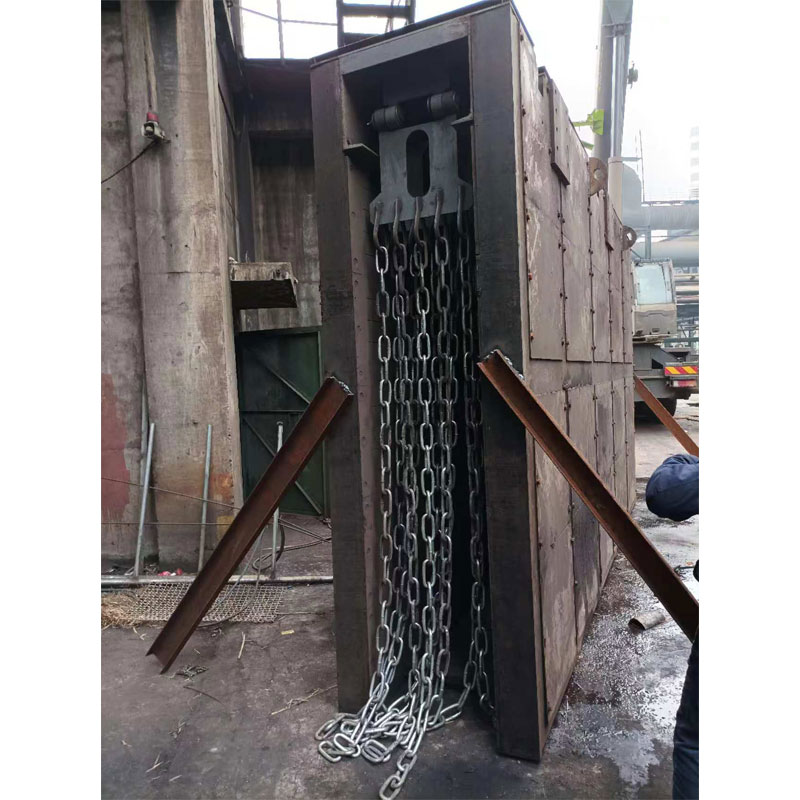
Table of Contents
- Article Outline
- What Is a Coke Guide
- Common Customer Pain Points
- How a Coke Guide Works
- Main Types of Coke Guides
- How to Choose the Right Coke Guide
- Installation and Usage Considerations
- Maintenance and Service Life
- Key Performance Comparison
- Frequently Asked Questions
- Conclusion and Business Contact
Article Outline
- Definition and industrial role of a Coke Guide
- Operational problems caused by poor guiding systems
- Working mechanism and material flow control
- Structural and material-based classification
- Selection criteria based on application demands
- Installation, maintenance, and lifespan optimization
- Answers to common buyer and operator questions
What Is a Coke Guide
A Coke Guide is a mechanical or structural component designed to control, direct, and stabilize the movement of coke during discharge, transfer, or processing stages. It is commonly used in metallurgical plants, coking facilities, and material handling systems where coke must be guided accurately to avoid spillage, blockage, or equipment damage.
By ensuring a controlled flow path, a Coke Guide helps maintain consistent material distribution, protects surrounding equipment, and supports safe and efficient operations under high-temperature and high-abrasion conditions.
Common Customer Pain Points
- Unstable coke flow leading to uneven material distribution
- Excessive wear caused by high-temperature and abrasive coke
- Frequent shutdowns due to clogging or misalignment
- High replacement frequency increasing operating costs
- Difficulty adapting to different coke sizes or output volumes
These issues often originate from improper guide design, unsuitable materials, or mismatched installation conditions. Addressing them requires a clear understanding of how Coke Guides function in real operating environments.
How a Coke Guide Works
The working principle of a Coke Guide is based on controlled redirection of coke flow using engineered surfaces and structural geometry. As coke exits a furnace, chute, or conveyor, the guide ensures that the material follows a predetermined path with minimal turbulence.
Effective Coke Guides are designed to:
- Reduce impact force during material discharge
- Maintain a consistent flow angle
- Prevent accumulation and bridging
- Protect downstream equipment from direct abrasion
Main Types of Coke Guides
Coke Guides can be classified based on structure and material configuration:
- Fixed Coke Guides: Suitable for stable, continuous operations with consistent output
- Adjustable Coke Guides: Allow angle or position changes to adapt to varying conditions
- Wear-Resistant Lined Guides: Designed with replaceable liners to extend service life
- High-Temperature Alloy Guides: Used in extreme thermal environments
How to Choose the Right Coke Guide
Selecting a Coke Guide requires evaluation of several practical factors rather than relying solely on standard specifications.
- Operating temperature range
- Coke particle size and bulk density
- Flow rate and discharge height
- Available installation space
- Maintenance accessibility
Matching these parameters ensures stable performance and avoids premature failure.
Installation and Usage Considerations
Proper installation directly affects the effectiveness of a Coke Guide. Alignment accuracy, fixing method, and clearance control must be handled carefully during setup.
- Ensure secure mounting to avoid vibration
- Confirm smooth transition between upstream and downstream equipment
- Allow thermal expansion where necessary
Maintenance and Service Life
Routine inspection and preventive maintenance significantly extend the service life of a Coke Guide. Key maintenance practices include:
- Monitoring wear patterns on guiding surfaces
- Replacing liners before structural damage occurs
- Checking fasteners and support frames regularly
Key Performance Comparison
| Evaluation Factor | Basic Guide | Optimized Coke Guide |
|---|---|---|
| Flow Stability | Moderate | High |
| Wear Resistance | Limited | Enhanced |
| Maintenance Frequency | High | Low |
| Operational Cost | Unstable | Predictable |
Frequently Asked Questions
What industries commonly use Coke Guides?
Coke Guides are widely used in metallurgical plants, coking facilities, and heavy material handling systems.
How often should a Coke Guide be replaced?
Replacement frequency depends on operating conditions, coke abrasiveness, and material selection.
Can a Coke Guide be customized?
Yes, many designs can be adapted to specific discharge angles, sizes, and thermal requirements.
Conclusion and Business Contact
A well-designed Coke Guide is not just a supporting component but a critical factor in operational efficiency, equipment protection, and cost control. Understanding its function, selection criteria, and maintenance needs helps operators avoid common pitfalls and achieve stable long-term performance.
For businesses seeking reliable Coke Guide solutions with practical engineering support, Lano offers application-oriented options tailored to demanding industrial environments. To explore suitable configurations or request technical assistance, please contact us through Lano for professional guidance and responsive service.
Previous:How Does a Truck Engine Work?
Send Inquiry



X
We use cookies to offer you a better browsing experience, analyze site traffic and personalize content. By using this site, you agree to our use of cookies.
Privacy Policy