 English
 Esperanto
  Afrikaans
  Català
  שפה עברית
  Cymraeg
  Galego
  Latviešu
  icelandic
  ייִדיש
  беларускі
  Hrvatski
  Kreyòl ayisyen
  Shqiptar
  Malti
Malti  lugha ya Kiswahili
  አማርኛ
አማርኛ  Bosanski
  Frysk
Frysk  ភាសាខ្មែរ
  ქართული
  ગુજરાતી
  Hausa
Hausa  Кыргыз тили
  ಕನ್ನಡ
ಕನ್ನಡ  Corsa
Corsa  Kurdî
Kurdî  മലയാളം
  Maori
Maori  Монгол хэл
  Hmong
Hmong  IsiXhosa
  Zulu
Zulu  Punjabi
  پښتو
پښتو  Chichewa
  Samoa
Samoa  Sesotho
  සිංහල
සිංහල  Gàidhlig
  Cebuano
  Somali
  Тоҷикӣ
  O'zbek
  Hawaiian
  سنڌي
سنڌي  Shinra
  Հայերեն
  Igbo
Igbo  Sundanese
  Lëtzebuergesch
  Malagasy
  Yoruba
  অসমীয়া
  ଓଡିଆ
ଓଡିଆ  Español
  Português
  русский
  Français
  日本語
日本語  Deutsch
  tiếng Việt
  Italiano
  Nederlands
  ภาษาไทย
  Polski
  한국어
한국어  Svenska
  magyar
  Malay
Malay  বাংলা ভাষার
  Dansk
Dansk  Suomi
Suomi  हिन्दी
  Pilipino
  Türkçe
  Gaeilge
  العربية
  Indonesia
  Norsk
Norsk  تمل
تمل  český
český  ελληνικά
  український
  Javanese
  فارسی
فارسی  தமிழ்
தமிழ்  తెలుగు
  नेपाली
  Burmese
  български
  ລາວ
ລາວ  Latine
  Қазақша
  Euskal
  Azərbaycan
  Slovenský jazyk
  Македонски
  Lietuvos
  Eesti Keel
  Română
  Slovenski
  मराठी
मराठी  Srpski језик


How Do Truck Bearings Influence Heavy Truck Performance and Longevity?
Article Summary
Truck bearings are fundamental mechanical components that support rotation, reduce friction, and enable heavy-duty vehicles to carry substantial loads with reduced wear and consistent performance. This article outlines the core principles behind truck bearings, differentiates common types, discusses their applications in commercial trucks, and explains maintenance strategies to improve service life.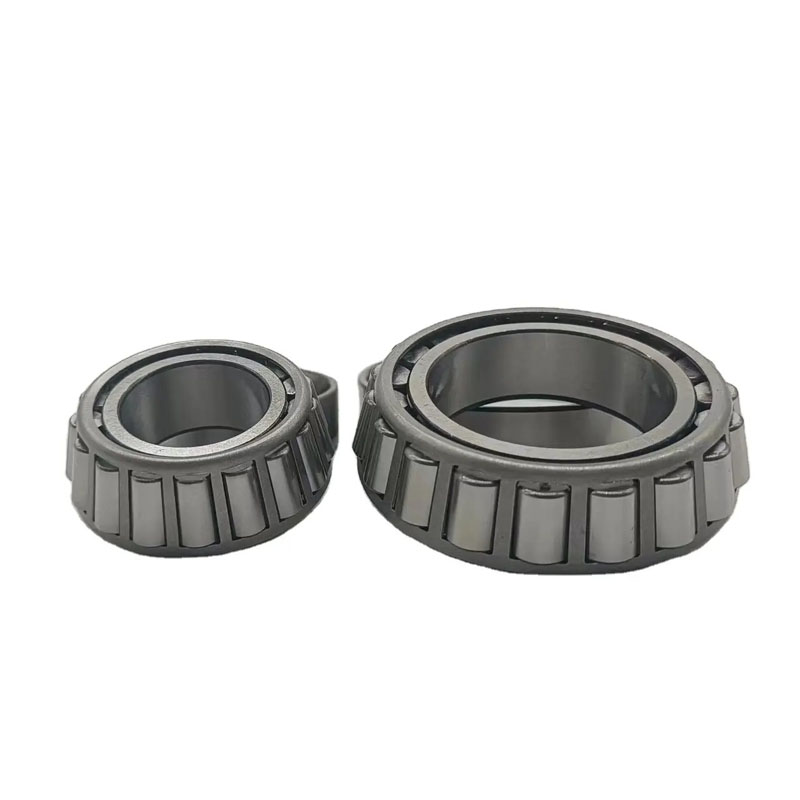
Table of Contents
- Introduction to Truck Bearings
- Types of Truck Bearings
- Functional Roles and Application Areas
- Maintenance and Replacement Indicators
- Truck Bearings FAQ
- Conclusion and Contact Us
Introduction to Truck Bearings
Truck bearings are precision-engineered components that support rotational motion in axle ends, wheel hubs, differential assemblies, and transmission systems of commercial and heavy-duty vehicles. Their primary purpose is to enable smooth movement, reduce friction between moving parts, and sustain high radial and axial loads encountered during operation. A properly selected and maintained bearing enhances vehicle reliability and reduces wear on connected drivetrain elements. :contentReference[oaicite:0]{index=0}
Types of Truck Bearings
Truck bearings are available in multiple designs tailored to specific load types, speed ranges, and functional locations on the vehicle. Common bearing types used in heavy trucks include:
| Bearing Type | Key Characteristics |
|---|---|
| Tapered Roller Bearings | Capable of handling both radial and axial loads, widely used in wheel hubs and axle assemblies. :contentReference[oaicite:1]{index=1} |
| Wheel Hub Bearing Units | Pre-assembled bearing sets that include seals and lubrication, designed for easy installation and reduced downtime. :contentReference[oaicite:2]{index=2} |
| Ball Bearings | Lower friction design suitable for high-speed rotation in auxiliary systems like alternators and smaller shafts. :contentReference[oaicite:3]{index=3} |
Each type has specific performance characteristics: tapered roller bearings provide robustness for heavy-duty applications, while wheel hub units enhance serviceability. Ball bearings are typically found in auxiliary mechanisms where speed is prioritized over extremely high loads. :contentReference[oaicite:4]{index=4}
Functional Roles and Application Areas
Bearings in trucks are strategically placed to support critical rotational components. Their key roles include:
- Wheel Hub Support: Bearings located between the wheel hub and spindle allow the wheel to rotate smoothly while carrying the vehicle’s weight and dynamic loads. :contentReference[oaicite:5]{index=5}
- Axle and Differential Bearings: Bearings in the axle and differential reduce friction and transmit torque through the drivetrain. :contentReference[oaicite:6]{index=6}
- Transmission Bearings: Bearings inside the transmission facilitate smooth gear changes and support rotating shafts under heavy loads. :contentReference[oaicite:7]{index=7}
The proper integration of bearings into these areas ensures reduced heat generation, minimized wear on related components, and consistent performance under heavy loads and prolonged duty cycles typical of long-haul transport.
Maintenance and Replacement Indicators
Regular inspection and maintenance of truck bearings are essential to prevent premature failure and the safety hazards associated with bearing breakdown. Common maintenance actions and indicators include:
- Grease and Lubrication: Bearings should be lubricated with high-quality grease to reduce friction and prevent contamination. Checking and replenishing lubrication at service intervals is critical. :contentReference[oaicite:8]{index=8}
- Noise and Vibration Monitoring: Grinding, growling, or unusual vibrations during movement often indicate bearing wear or contamination. :contentReference[oaicite:9]{index=9}
- Heat Buildup: Excessive heat coming from wheel hubs during operation is a sign that lubrication has degraded or internal wear has occurred. :contentReference[oaicite:10]{index=10}
Early detection of these signs allows maintenance personnel to replace bearings before catastrophic failure, reducing vehicle downtime and repair costs.
Truck Bearings FAQ
Q: What makes tapered roller bearings common for truck applications?
A: Tapered roller bearings support both radial loads from vertical weight and axial loads from driving and cornering forces. Their design allows even load distribution and extended service life in demanding wheel-end applications. :contentReference[oaicite:11]{index=11}
Q: How often should truck wheel bearings be inspected?
A: Bearing inspection frequency depends on usage intensity, but visual checks and lubrication verification at each major service interval help prevent unnoticed wear and contamination issues. :contentReference[oaicite:12]{index=12}
Q: Can wheel bearing failure affect vehicle safety?
A: Yes. Bearing failure can lead to wheel lock-up, increased rolling resistance, unusual steering behavior, and potential axle damage, all of which pose significant safety hazards at highway speeds. :contentReference[oaicite:13]{index=13}
Conclusion and Contact Us
Truck bearings are integral to the mechanical integrity and performance of heavy-duty vehicles. Understanding the different types and their roles enables better specification and maintenance decisions that support uptime and cost-effective operation. Bearings that are properly chosen and regularly serviced contribute directly to load capacity endurance and drivetrain reliability.
Whether selecting a specific tapered roller bearing, a wheel hub unit, or high-performance alternatives, Lano provides a range of precision-engineered truck bearing solutions tailored to modern transportation demands. For more in-depth product guidance, technical consultation, or assistance in specifying components for your fleet, please contact us today for expert support and service options.
Send Inquiry



X
We use cookies to offer you a better browsing experience, analyze site traffic and personalize content. By using this site, you agree to our use of cookies.
Privacy Policy