 English
 Esperanto
  Afrikaans
  Català
  שפה עברית
  Cymraeg
  Galego
  Latviešu
  icelandic
  ייִדיש
  беларускі
  Hrvatski
  Kreyòl ayisyen
  Shqiptar
  Malti
Malti  lugha ya Kiswahili
  አማርኛ
አማርኛ  Bosanski
  Frysk
Frysk  ភាសាខ្មែរ
  ქართული
  ગુજરાતી
  Hausa
Hausa  Кыргыз тили
  ಕನ್ನಡ
ಕನ್ನಡ  Corsa
Corsa  Kurdî
Kurdî  മലയാളം
  Maori
Maori  Монгол хэл
  Hmong
Hmong  IsiXhosa
  Zulu
Zulu  Punjabi
  پښتو
پښتو  Chichewa
  Samoa
Samoa  Sesotho
  සිංහල
සිංහල  Gàidhlig
  Cebuano
  Somali
  Тоҷикӣ
  O'zbek
  Hawaiian
  سنڌي
سنڌي  Shinra
  Հայերեն
  Igbo
Igbo  Sundanese
  Lëtzebuergesch
  Malagasy
  Yoruba
  অসমীয়া
  ଓଡିଆ
ଓଡିଆ  Español
  Português
  русский
  Français
  日本語
日本語  Deutsch
  tiếng Việt
  Italiano
  Nederlands
  ภาษาไทย
  Polski
  한국어
한국어  Svenska
  magyar
  Malay
Malay  বাংলা ভাষার
  Dansk
Dansk  Suomi
Suomi  हिन्दी
  Pilipino
  Türkçe
  Gaeilge
  العربية
  Indonesia
  Norsk
Norsk  تمل
تمل  český
český  ελληνικά
  український
  Javanese
  فارسی
فارسی  தமிழ்
தமிழ்  తెలుగు
  नेपाली
  Burmese
  български
  ລາວ
ລາວ  Latine
  Қазақша
  Euskal
  Azərbaycan
  Slovenský jazyk
  Македонски
  Lietuvos
  Eesti Keel
  Română
  Slovenski
  मराठी
मराठी  Srpski језик


What Is a Cabin Assy?
Abstract: In heavy machinery and commercial vehicle applications, the “cabin assy” plays a pivotal role in operator comfort, safety, and overall equipment performance. This article explains what a cabin assy is, details its core components and value, compares options across models, and helps buyers make informed purchase and maintenance decisions. It addresses real customer concerns such as fitment, durability, retrofit considerations, and total cost of ownership.
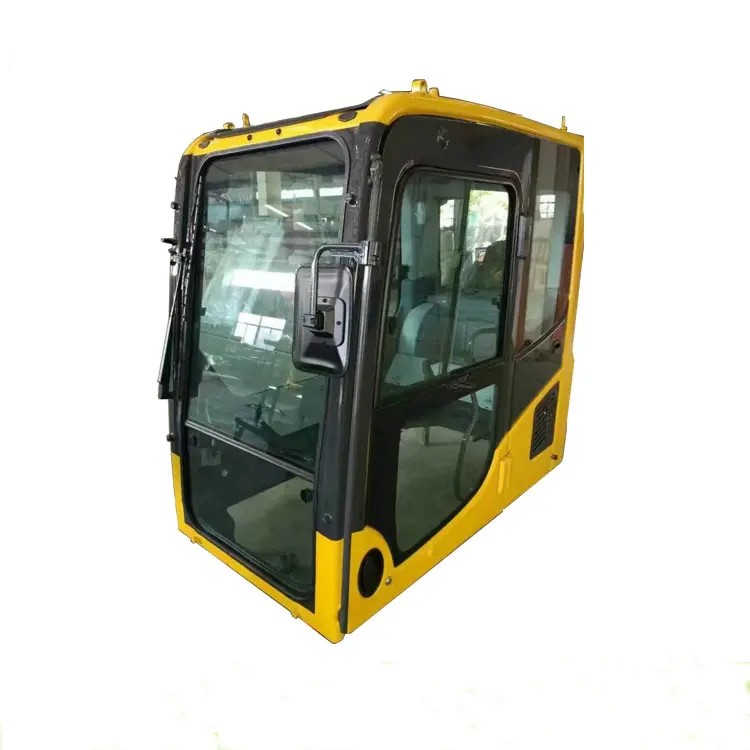
Table of Contents
- Definition and Purpose
- Main Components of a Cabin Assy
- Selecting the Right Cabin Assy
- Installation and Fitment Considerations
- Maintenance Best Practices
- Frequently Asked Questions
- Conclusion & Contact Info
Definition and Purpose
A cabin assy (cabin assembly) is the complete structural and functional enclosure designed to house the operator or driver of heavy machinery such as excavators, cranes, loaders, or trucks. It serves not only as the physical workspace but also as the control hub for machine operation. The cabin assy often includes the shell, framework, glass panels, seats, controls, and ergonomic interfaces that support safe and efficient operation.:contentReference[oaicite:0]{index=0}
Main Components of a Cabin Assy
A typical cabin assembly includes both structural elements and comfort/safety amenities. The table below highlights key parts and their functional roles:
| Component | Function |
|---|---|
| Cab Shell | The exterior housing that provides impact resistance and environmental protection.:contentReference[oaicite:1]{index=1} |
| Cab Frame | The internal structural skeleton that supports mounting points and load transfer.:contentReference[oaicite:2]{index=2} |
| Interior Trim | Seats, dashboard, steering systems, and ergonomic surfaces that enhance operator comfort.:contentReference[oaicite:3]{index=3} |
| Glass Panels | Integrated windows and windshields that optimize visibility and safety.:contentReference[oaicite:4]{index=4} |
| HVAC and Controls | Climate and control systems that support efficient machine operation.:contentReference[oaicite:5]{index=5} |
Selecting the Right Cabin Assy
Choosing an appropriate cabin assy requires evaluating multiple factors such as machine compatibility, structural integrity, comfort features, and compliance with safety standards:
- Compatibility: Ensure the cabin assy fits the specific model and year of your equipment. This often requires checking OEM part numbers or manufacturer specifications.:contentReference[oaicite:6]{index=6}
- Structural Durability: Prioritize cabins made from robust materials and reinforced frames that withstand harsh operating environments.:contentReference[oaicite:7]{index=7}
- Comfort and Safety: Ergonomic seating, visibility, and integrated safety systems enhance comfort and reduce fatigue.:contentReference[oaicite:8]{index=8}
- Certification and Testing: Look for products tested for vibration resistance, ingress protection, and industry safety benchmarks.:contentReference[oaicite:9]{index=9}
- Supplier Support: Reputable suppliers provide documentation, fitment support, and warranty services that can reduce risk.:contentReference[oaicite:10]{index=10}
Installation and Fitment Considerations
Proper installation directly impacts operational performance, safety, and longevity. Consider the following steps and practices when preparing to install a cabin assy:
- Verify mounting brackets and structural interfaces before beginning installation.
- Check alignment and clearance to avoid interference with control linkages or cooling systems.
- Test electrical harness connections for throttle, display, and lighting functionalities.
- Conduct a dry operation test before full use to detect any misalignment or vibration. Proper installation often requires specialized tools or support from experienced technicians.
Maintenance Best Practices
Routine maintenance is essential to preserve cabin performance and protect long-term investment. Recommended practices include:
- Regularly inspect seals and glass panels for cracks or leaks.
- Clean interior surfaces to prevent wear on controls and seating fixtures.
- Check HVAC systems seasonally to ensure climate control functions.
- Lubricate door hinges and inspect safety belts periodically.
- Document all maintenance actions to track performance and anticipate part replacement timelines.
Frequently Asked Questions
Q1: How do I know if a cabin assy will fit my machine?
A1: Always refer to the machine’s model specifications and OEM part numbers. Supplier cross-reference tools or chassis number guides help ensure correct fitment. Incorrect fitment can affect both operator safety and machine performance.:contentReference[oaicite:11]{index=11}
Q2: Can I retrofit a better cabin into an older machine?
A2: In some cases, retrofit is possible if mounting interfaces and structural dimensions align. It is advisable to consult a technical specialist before modifying structural parts.:contentReference[oaicite:12]{index=12}
Q3: What is the typical lead time for a customized cabin assy?
A3: Lead time depends on supplier capacity and customization requirements. Typical manufacturing times range from one to several weeks depending on right-hand drive, paint, and accessory options.:contentReference[oaicite:13]{index=13}
Conclusion & Contact Information
Selecting the right cabin assy is a decision that affects operator safety, equipment uptime, and total lifecycle value. Understanding the components, fitment criteria, and maintenance requirements helps you make informed purchasing and service decisions. High-quality cabins — such as those supplied by Lano — combine structural integrity, ergonomic design, and reliable fitment across a range of construction and agricultural machinery. To learn how Lano can support your equipment needs with tailored cabin solutions, contact us for expert guidance and competitive pricing.
Send Inquiry



X
We use cookies to offer you a better browsing experience, analyze site traffic and personalize content. By using this site, you agree to our use of cookies.
Privacy Policy