 English
 Esperanto
  Afrikaans
  Català
  שפה עברית
  Cymraeg
  Galego
  Latviešu
  icelandic
  ייִדיש
  беларускі
  Hrvatski
  Kreyòl ayisyen
  Shqiptar
  Malti
Malti  lugha ya Kiswahili
  አማርኛ
አማርኛ  Bosanski
  Frysk
Frysk  ភាសាខ្មែរ
  ქართული
  ગુજરાતી
  Hausa
Hausa  Кыргыз тили
  ಕನ್ನಡ
ಕನ್ನಡ  Corsa
Corsa  Kurdî
Kurdî  മലയാളം
  Maori
Maori  Монгол хэл
  Hmong
Hmong  IsiXhosa
  Zulu
Zulu  Punjabi
  پښتو
پښتو  Chichewa
  Samoa
Samoa  Sesotho
  සිංහල
සිංහල  Gàidhlig
  Cebuano
  Somali
  Тоҷикӣ
  O'zbek
  Hawaiian
  سنڌي
سنڌي  Shinra
  Հայերեն
  Igbo
Igbo  Sundanese
  Lëtzebuergesch
  Malagasy
  Yoruba
  অসমীয়া
  ଓଡିଆ
ଓଡିଆ  Español
  Português
  русский
  Français
  日本語
日本語  Deutsch
  tiếng Việt
  Italiano
  Nederlands
  ภาษาไทย
  Polski
  한국어
한국어  Svenska
  magyar
  Malay
Malay  বাংলা ভাষার
  Dansk
Dansk  Suomi
Suomi  हिन्दी
  Pilipino
  Türkçe
  Gaeilge
  العربية
  Indonesia
  Norsk
Norsk  تمل
تمل  český
český  ελληνικά
  український
  Javanese
  فارسی
فارسی  தமிழ்
தமிழ்  తెలుగు
  नेपाली
  Burmese
  български
  ລາວ
ລາວ  Latine
  Қазақша
  Euskal
  Azərbaycan
  Slovenský jazyk
  Македонски
  Lietuvos
  Eesti Keel
  Română
  Slovenski
  मराठी
मराठी  Srpski језик


How Does a Swing Motor Improve Excavator Rotation and Operational Efficiency?
Article Summary: A swing motor is a pivotal mechanical component that enables the upper structure of an excavator or crane to rotate relative to its undercarriage. Its performance directly impacts machine maneuverability, operational precision, and worksite productivity. This article explains how swing motors work, key technical considerations, common performance challenges, maintenance best practices, and how choosing the right components affects overall equipment uptime and cost-effectiveness.
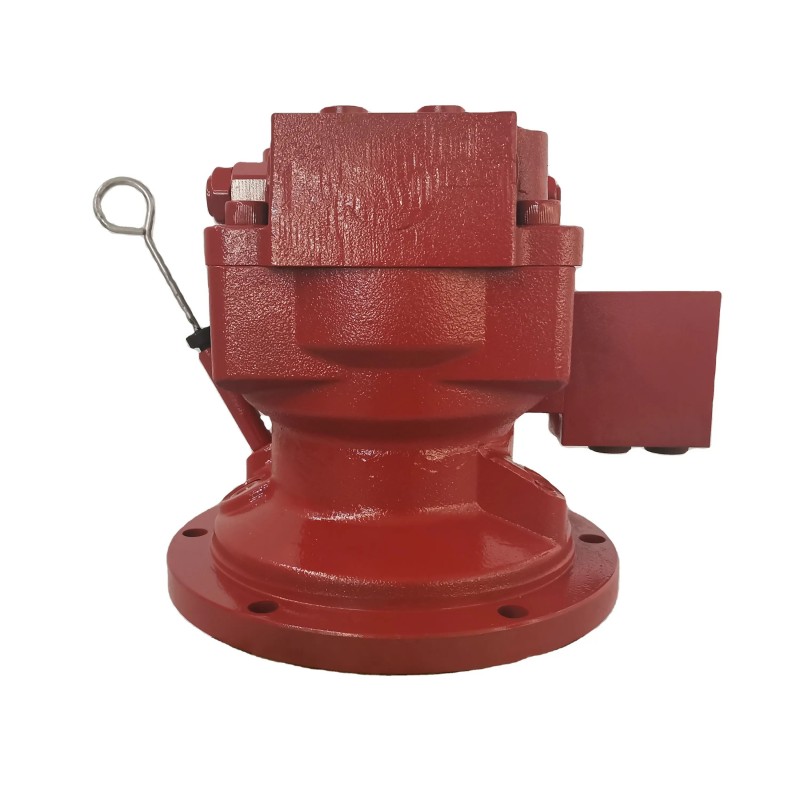
Table of Contents
- Overview of Swing Motor Functionality
- Core Components and Design Features
- Performance Factors and Operational Impact
- Common Issues and Root Cause Analysis
- Routine Maintenance and Best Practices
- Frequently Asked Questions
- Closing Thoughts and Contact Information
Overview of Swing Motor Functionality
The swing motor is a hydraulic or electromechanical actuator that enables the 360-degree rotation of an excavator’s or crane’s superstructure relative to its undercarriage. By converting fluid or electrical power into controlled rotational motion, the swing motor allows operators to reposition the boom, arm, and attachments with high precision without relocating the machine base. It is essential for tasks such as digging, material handling, trenching, and placement operations across construction and industrial sites.
This rotational capability significantly improves site productivity, reduces cycle times, and allows complex material handling tasks within confined spaces. Performance metrics such as torque output, rotational speed, and motion smoothness are defined by the motor’s internal design and integration with the swing gearbox and control system.
Core Components and Design Features
A typical swing motor assembly consists of several interlinked elements that together enable rotational motion and control:
- Hydraulic or Electric Motor – The primary actuator converting energy into rotational force.
- Reduction Gearbox – Reduces motor speed while increasing output torque to handle heavy loads.
- Pinion Gear – Engages the swing ring gear to transfer torque from the motor to the swing system.
- Swing Ring / Slew Bearing – A large circular gear that supports the rotating structure and carries loads during rotation.
- Sensors and Feedback Devices – Provide real-time speed and position data for precision control (in electromechanical systems).
These components are engineered to withstand continuous cyclic loads, environmental contamination, and temperature variation typical of heavy machinery applications. Material quality, manufacturing tolerances, and seal integrity all influence service life and reliability.
Performance Factors and Operational Impact
The performance of a swing motor directly affects machine efficiency and jobsite productivity. Key performance characteristics include:
| Performance Factor | Operational Impact |
|---|---|
| Torque Output | Higher torque enables handling of larger loads and smoother rotation under heavy work conditions. |
| Rotational Speed | Balanced speed supports precise positioning while maintaining safety. |
| Control Responsiveness | Improved responsiveness enhances operator precision in confined environments. |
| Thermal Stability | Effective heat dissipation prevents performance degradation during extended use. |
Performance relies not only on component design but also on the integration with hydraulic systems or electrical controllers. Proper tuning ensures that rotational responsiveness matches the specific operational requirements of the application.
Common Issues and Root Cause Analysis
Despite their robustness, swing motors can encounter various issues that reduce efficiency or lead to downtime:
- Hydraulic Fluid Contamination or Leakage: Dirty fluid or leaks reduce torque efficiency and accelerate internal wear.
- Reduced Rotation Speed or Power: Often caused by worn internal components or inadequate fluid pressure.
- Unusual Noises: Grinding or whining sounds may indicate bearing wear or gear damage.
- Overheating: Excessive heat can degrade seals and internal surfaces, especially where cooling is insufficient.
Regular inspection and early identification of symptoms such as jerky motion, slow response, or visible leakage can prevent costly repairs and unscheduled downtime.
Routine Maintenance and Best Practices
Effective maintenance strategies extend swing motor life and maintain rotation quality over the equipment lifecycle:
- Hydraulic Fluid Management: Maintain fluid cleanliness and levels and replace filters on schedule.
- Seal and Hose Inspection: Regularly verify integrity of seals and connections to prevent leaks.
- Torque and Fastener Checks: Ensure that mounting hardware remains secure and properly torqued.
- Temperature Monitoring: Monitor operating temperatures to identify thermal issues early.
These practices not only prevent premature failure but also enhance safety and reduce overall maintenance costs.
Frequently Asked Questions
Q: What is the primary function of a swing motor?
A: A swing motor provides rotational power to the upper structure of heavy equipment, enabling movement without repositioning the base of the machine.
Q: How often should swing motor seals be inspected?
A: Seals should be checked during every hydraulic system service interval and after heavy operation periods to prevent fluid contamination and loss.
Q: Can hydraulic fluid contamination affect motor performance?
A: Yes, contaminated fluid accelerates wear on internal components and degrades torque output, potentially leading to operational inefficiencies.
Q: What are the signs of internal swing motor failure?
A: Common signs include unusual noises, slow or uneven rotation, and overheating during operation.
Closing Thoughts and Contact Information
Understanding how swing motors work, what affects their performance, and how to manage them proactively can improve equipment uptime and reduce costly repairs. Selecting quality components from experienced manufacturers is a strategic investment for operations that rely on precise rotation and continuous machine availability.
For reliable swing motor solutions tailored to excavators, cranes, and other heavy machinery applications, consider the offerings from Lano. Their range of swing motors is engineered for durability and consistent performance under demanding workloads. To discuss specific requirements or request personalized recommendations, contact us today and take the next step toward optimized equipment performance.
Previous:How Does an Axle Shaft Work?
Send Inquiry



X
We use cookies to offer you a better browsing experience, analyze site traffic and personalize content. By using this site, you agree to our use of cookies.
Privacy Policy