 English
 Esperanto
  Afrikaans
  Català
  שפה עברית
  Cymraeg
  Galego
  Latviešu
  icelandic
  ייִדיש
  беларускі
  Hrvatski
  Kreyòl ayisyen
  Shqiptar
  Malti
Malti  lugha ya Kiswahili
  አማርኛ
አማርኛ  Bosanski
  Frysk
Frysk  ភាសាខ្មែរ
  ქართული
  ગુજરાતી
  Hausa
Hausa  Кыргыз тили
  ಕನ್ನಡ
ಕನ್ನಡ  Corsa
Corsa  Kurdî
Kurdî  മലയാളം
  Maori
Maori  Монгол хэл
  Hmong
Hmong  IsiXhosa
  Zulu
Zulu  Punjabi
  پښتو
پښتو  Chichewa
  Samoa
Samoa  Sesotho
  සිංහල
සිංහල  Gàidhlig
  Cebuano
  Somali
  Тоҷикӣ
  O'zbek
  Hawaiian
  سنڌي
سنڌي  Shinra
  Հայերեն
  Igbo
Igbo  Sundanese
  Lëtzebuergesch
  Malagasy
  Yoruba
  অসমীয়া
  ଓଡିଆ
ଓଡିଆ  Español
  Português
  русский
  Français
  日本語
日本語  Deutsch
  tiếng Việt
  Italiano
  Nederlands
  ภาษาไทย
  Polski
  한국어
한국어  Svenska
  magyar
  Malay
Malay  বাংলা ভাষার
  Dansk
Dansk  Suomi
Suomi  हिन्दी
  Pilipino
  Türkçe
  Gaeilge
  العربية
  Indonesia
  Norsk
Norsk  تمل
تمل  český
český  ελληνικά
  український
  Javanese
  فارسی
فارسی  தமிழ்
தமிழ்  తెలుగు
  नेपाली
  Burmese
  български
  ລາວ
ລາວ  Latine
  Қазақша
  Euskal
  Azərbaycan
  Slovenský jazyk
  Македонски
  Lietuvos
  Eesti Keel
  Română
  Slovenski
  मराठी
मराठी  Srpski језик


How Does an Axle Shaft Work?
Article Abstract
An axle shaft is a critical drivetrain component that directly affects vehicle stability, load transfer, and power delivery. Many buyers and engineers encounter challenges when selecting the right axle shaft due to differences in materials, load ratings, manufacturing processes, and application requirements. This article provides a structured and practical explanation of how an axle shaft works, what problems it solves, how to evaluate performance factors, and how to choose a reliable solution for commercial and industrial vehicles. The goal is to help decision-makers reduce failure risks, improve operational safety, and achieve long-term value.
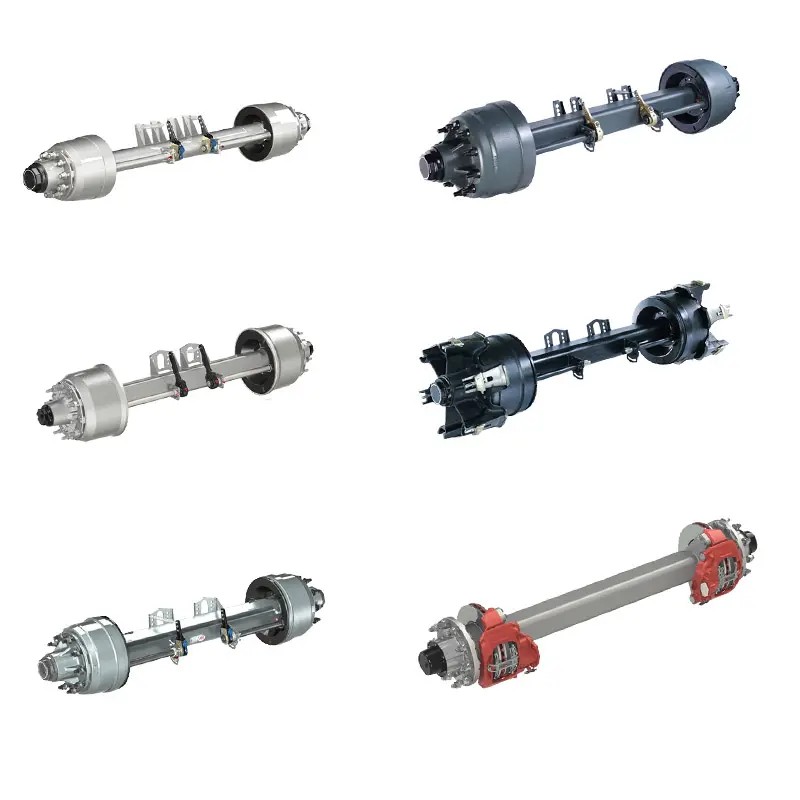
Table of Contents
- Outline Overview
- What an Axle Shaft Is and Why It Matters
- How an Axle Shaft Works in Vehicle Systems
- Common Customer Pain Points and Practical Solutions
- Key Axle Shaft Types and Their Applications
- Technical Parameters That Influence Performance
- Manufacturing Processes and Quality Control
- Comparison Table of Axle Shaft Specifications
- Frequently Asked Questions
- Conclusion and Contact Us
Outline Overview
- Explain the mechanical role of an axle shaft
- Identify common problems faced by end users
- Compare axle shaft structures and materials
- Present technical parameters in a clear format
- Answer frequently asked questions with practical detail
What an Axle Shaft Is and Why It Matters
An axle shaft is a rotating mechanical component that transmits torque from the differential to the wheels. It also supports vehicle weight and maintains wheel alignment under dynamic loads. In commercial vehicles, agricultural machinery, trailers, and off-road equipment, the axle shaft plays an even more critical role due to higher torque demands and variable operating environments.
When an axle shaft fails, the result is often immediate vehicle downtime, safety risks, and costly repairs. For fleet operators and equipment manufacturers, selecting a properly engineered axle shaft is not simply a component choice—it is a risk management decision. Companies such as Lano focus on supplying axle shaft solutions designed to address these real-world operational challenges.
How an Axle Shaft Works in Vehicle Systems
The axle shaft connects directly to the differential on one end and to the wheel hub on the other. As the engine generates power, torque flows through the transmission and differential, then reaches the axle shaft. The axle shaft converts this rotational force into wheel movement while maintaining structural integrity under bending and torsional stress.
In practical operation, the axle shaft must:
- Transmit torque efficiently without deformation
- Withstand cyclic fatigue over long service periods
- Maintain precise dimensional tolerances
- Operate reliably under temperature and load variation
Common Customer Pain Points and Practical Solutions
Customers frequently encounter axle shaft issues that stem from mismatched specifications or inconsistent quality. Understanding these pain points helps prevent premature failure.
- Unexpected breakage: Often caused by insufficient material strength or improper heat treatment.
- Excessive wear: Results from poor surface finish or incorrect spline design.
- Compatibility problems: Occur when axle shafts do not meet exact dimensional requirements.
- High maintenance costs: Linked to inconsistent quality control during production.
A structured supplier evaluation process and detailed technical review significantly reduce these risks.
Key Axle Shaft Types and Their Applications
Axle shafts are not one-size-fits-all components. Selection depends on load conditions, vehicle design, and operating environment.
- Semi-floating axle shafts: Common in light-duty vehicles where load demands are moderate.
- Full-floating axle shafts: Widely used in heavy-duty trucks and trailers due to superior load capacity.
- Splined axle shafts: Designed for precise torque transmission in industrial applications.
- Custom-machined axle shafts: Engineered for specialized machinery and non-standard requirements.
Technical Parameters That Influence Performance
Technical specifications determine how an axle shaft performs under real operating conditions. Evaluating these parameters ensures reliability and safety.
- Material grade and chemical composition
- Heat treatment method and hardness range
- Spline count and geometry
- Overall length and diameter tolerance
- Surface roughness and coating options
Comparison Table of Axle Shaft Specifications
| Parameter | Standard Range | Impact on Performance |
|---|---|---|
| Material | Alloy Steel / Carbon Steel | Determines strength and fatigue resistance |
| Hardness | HRC 28–40 | Affects wear resistance and lifespan |
| Spline Type | Involute / Straight | Ensures torque transmission accuracy |
| Diameter Tolerance | ±0.01 mm | Maintains assembly precision |
Manufacturing Processes and Quality Control
Reliable axle shafts depend on controlled manufacturing processes. Precision forging, CNC machining, and calibrated heat treatment form the foundation of consistent quality. Equally important are inspection steps such as ultrasonic testing, hardness verification, and dimensional measurement.
Suppliers with mature production systems can provide traceability and stable performance across batches, which is essential for long-term cooperation.
Frequently Asked Questions
Q: How can axle shaft failure be prevented?
A: Failure prevention starts with selecting the correct load rating, material, and heat treatment. Regular inspection and proper lubrication also extend service life.
Q: How does material choice affect axle shaft durability?
A: Alloy steels generally offer higher fatigue resistance and torsional strength compared to standard carbon steels, making them suitable for heavy-duty use.
Q: How important is dimensional accuracy in axle shafts?
A: High dimensional accuracy ensures proper fitment, reduces vibration, and prevents uneven stress distribution during operation.
Conclusion and Contact Us
Understanding how an axle shaft works provides clarity when evaluating suppliers, specifications, and long-term operational risks. A well-designed axle shaft improves safety, reduces downtime, and delivers consistent performance across demanding applications. Lano continues to support customers with stable axle shaft solutions developed for practical industry needs.
For detailed specifications, customized solutions, or technical consultation, contact us today to discuss how the right axle shaft can improve your equipment reliability and overall performance.
Previous:What Is a Cabin Assy?
Send Inquiry



X
We use cookies to offer you a better browsing experience, analyze site traffic and personalize content. By using this site, you agree to our use of cookies.
Privacy Policy