English
 Esperanto
  Afrikaans
  Català
  שפה עברית
  Cymraeg
  Galego
  Latviešu
  icelandic
  ייִדיש
  беларускі
  Hrvatski
  Kreyòl ayisyen
  Shqiptar
  Malti
Malti  lugha ya Kiswahili
  አማርኛ
አማርኛ  Bosanski
  Frysk
Frysk  ភាសាខ្មែរ
  ქართული
  ગુજરાતી
  Hausa
Hausa  Кыргыз тили
  ಕನ್ನಡ
ಕನ್ನಡ  Corsa
Corsa  Kurdî
Kurdî  മലയാളം
  Maori
Maori  Монгол хэл
  Hmong
Hmong  IsiXhosa
  Zulu
Zulu  Punjabi
  پښتو
پښتو  Chichewa
  Samoa
Samoa  Sesotho
  සිංහල
සිංහල  Gàidhlig
  Cebuano
  Somali
  Тоҷикӣ
  O'zbek
  Hawaiian
  سنڌي
سنڌي  Shinra
  Հայերեն
  Igbo
Igbo  Sundanese
  Lëtzebuergesch
  Malagasy
  Yoruba
  অসমীয়া
  ଓଡିଆ
ଓଡିଆ  Español
  Português
  русский
  Français
  日本語
日本語  Deutsch
  tiếng Việt
  Italiano
  Nederlands
  ภาษาไทย
  Polski
  한국어
한국어  Svenska
  magyar
  Malay
Malay  বাংলা ভাষার
  Dansk
Dansk  Suomi
Suomi  हिन्दी
  Pilipino
  Türkçe
  Gaeilge
  العربية
  Indonesia
  Norsk
Norsk  تمل
تمل  český
český  ελληνικά
  український
  Javanese
  فارسی
فارسی  தமிழ்
தமிழ்  తెలుగు
  नेपाली
  Burmese
  български
  ລາວ
ລາວ  Latine
  Қазақша
  Euskal
  Azərbaycan
  Slovenský jazyk
  Македонски
  Lietuvos
  Eesti Keel
  Română
  Slovenski
  मराठी
मराठी  Srpski језик

Summary: This guide explains the design, applications, performance advantages, selection criteria, maintenance practices, and common installation best practices for tapered roller truck bearings. It aims to help fleet managers, maintenance professionals, and engineers understand how these bearings address load support and reliability demands in heavy-duty vehicles.
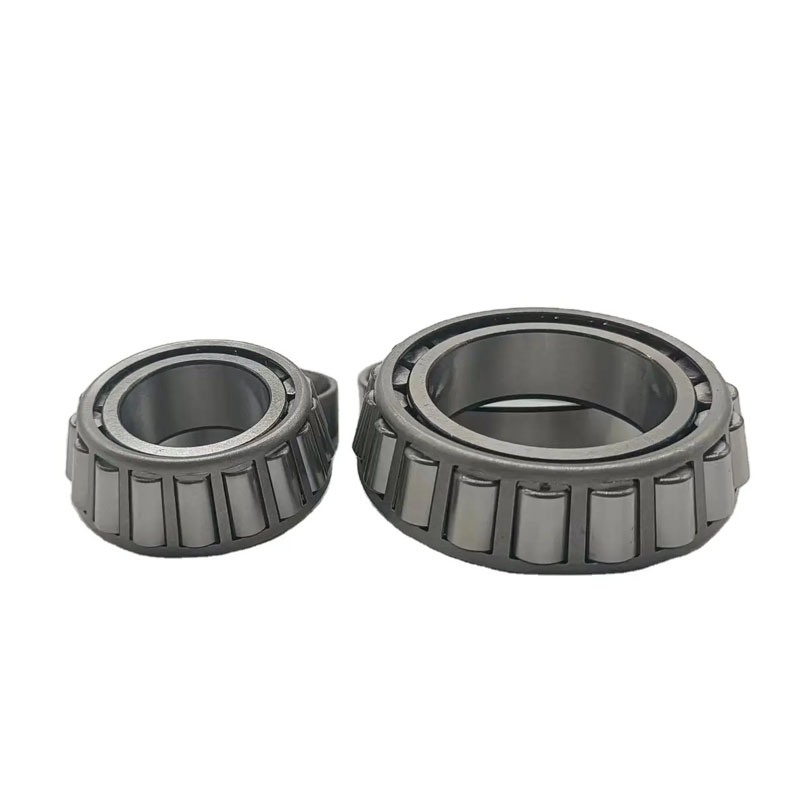
Table of Contents
- Introduction
- What Is a Tapered Roller Truck Bearing?
- Key Benefits & Features
- Common Truck Applications
- How to Choose the Right Bearing
- Installation & Maintenance Tips
- Frequently Asked Questions
- Conclusion
Introduction
Truck wheel ends, axles, and drivetrain components must endure heavy radial and axial loads while maintaining smooth rotation and extended service life. Improper bearing selection or maintenance can result in wheel vibration, heat buildup, premature wear, or component failure. Tapered roller truck bearings are engineered to address these challenges through their unique geometry and robust construction.
What Is a Tapered Roller Truck Bearing?
A tapered roller truck bearing is a type of rolling-element bearing designed with an inner and outer ring and conically shaped rollers. The intersecting cone geometry enables simultaneous support of radial (side) and axial (thrust) loads, which is essential in heavy-duty vehicle applications where weight and driving forces vary with speed and direction.:contentReference[oaicite:0]{index=0}
| Component | Function |
|---|---|
| Inner Ring (Cone) | Seats rollers and aligns load transfer toward the shaft. |
| Outer Ring (Cup) | Provides bearing run-way surface and housing fit. |
| Tapered Rollers | Transmit combined loads with line contact to reduce wear. |
| Cage | Separates rollers to maintain even spacing and rotation stability. |
This design reduces friction and extends life in heavy operating conditions. The components can often be assembled or mounted separately, facilitating installation and service.:contentReference[oaicite:1]{index=1}
Key Benefits & Features
- Combined Load Support: Handles both radial and axial forces simultaneously, critical for steering and drive axles.:contentReference[oaicite:2]{index=2}
- High Durability: Conical contact spreads load over a larger area, reducing localized stress and wear.:contentReference[oaicite:3]{index=3}
- Adjustable Preload: Preload settings can optimize stiffness and reduce vibration.:contentReference[oaicite:4]{index=4}
- Servicability: Separable components facilitate easier assembly and inspection.:contentReference[oaicite:5]{index=5}
- Heat & Friction Management: Performance remains stable under heavy load with proper lubrication.:contentReference[oaicite:6]{index=6}
Common Truck Applications
Tapered roller truck bearings appear in multiple heavy-duty vehicle systems due to their combined load handling and reliability. Typical applications include:
- Wheel Hubs: Bearings in front and rear hubs manage load from vehicle weight and road forces.:contentReference[oaicite:7]{index=7}
- Steering Axles: Precise load support for steering knuckles and spindles.:contentReference[oaicite:8]{index=8}
- Drive Axles: Transmits torque while supporting axial thrust from driveshafts.:contentReference[oaicite:9]{index=9}
- Trailer Ends: Long-haul and heavy-payload trailers benefit from robust load sharing.:contentReference[oaicite:10]{index=10}
How to Choose the Right Bearing
Selecting the correct bearing for a truck requires matching load requirements, shaft dimensions, operating environment, and service expectations:
| Criteria | Considerations |
|---|---|
| Load Ratings | Verify radial and axial capacity meets vehicle specifications. |
| Size & Fit | Match bore, outer diameter, and width to housing and shaft. |
| Sealing & Lubrication | Choose seals and grease suitable for dust, water, and heat conditions. |
| Preload Settings | Establish correct internal clearance during installation. |
Bearings designed for commercial trucks are typically made of high-strength steel alloys and heat treated to resist wear under extreme pressure and vibration.:contentReference[oaicite:11]{index=11}
Installation & Maintenance Tips
- Proper Mounting Tools: Use presses or bearing heaters to avoid damaging rollers or raceways.
- Clean Environment: Keep components free from dirt to prevent early wear.
- Lubrication: Apply grease with appropriate viscosity for operating temperature ranges.
- Preload Adjustment: Accurately set bearing preload to achieve optimal contact without excess friction.
- Inspection Intervals: Regularly check for noise, heat, or looseness as indicators of wear.
Frequently Asked Questions
What makes a tapered roller bearing different from other bearings?
Tapered roller bearings are designed with conical elements that support both axial and radial loads, unlike standard ball bearings that primarily support radial loads.:contentReference[oaicite:12]{index=12}
Can tapered roller truck bearings handle heavy highway loads?
Yes, their design distributes load over larger surface areas, enabling them to carry significant combined loads typical of heavy-duty trucking.:contentReference[oaicite:13]{index=13}
How often should truck wheel bearings be serviced?
Service intervals depend on vehicle use, environment, and load. Routine inspection during scheduled maintenance maximizes bearing life and prevents unscheduled downtime.
What happens if preload is incorrect?
Improper preload can lead to excessive heat, premature wear, increased friction, and reduced service life. Ensuring correct settings improves performance and reliability.:contentReference[oaicite:14]{index=14}
Conclusion
Tapered roller truck bearings are a foundational component in heavy vehicle design. Their combined load support, durability in harsh conditions, and adjustability make them a reliable solution for truck wheel ends and drivetrain systems. By understanding selection criteria, installation best practices, and maintenance routines, operators can maximize uptime and minimize lifecycle costs.
Lano offers a range of high-quality tapered roller truck bearings engineered for demanding applications. If you need expert support to select the right bearing for your fleet or project, contact us for personalized assistance and competitive solutions tailored to your needs.