 English
 Esperanto
  Afrikaans
  Català
  שפה עברית
  Cymraeg
  Galego
  Latviešu
  icelandic
  ייִדיש
  беларускі
  Hrvatski
  Kreyòl ayisyen
  Shqiptar
  Malti
Malti  lugha ya Kiswahili
  አማርኛ
አማርኛ  Bosanski
  Frysk
Frysk  ភាសាខ្មែរ
  ქართული
  ગુજરાતી
  Hausa
Hausa  Кыргыз тили
  ಕನ್ನಡ
ಕನ್ನಡ  Corsa
Corsa  Kurdî
Kurdî  മലയാളം
  Maori
Maori  Монгол хэл
  Hmong
Hmong  IsiXhosa
  Zulu
Zulu  Punjabi
  پښتو
پښتو  Chichewa
  Samoa
Samoa  Sesotho
  සිංහල
සිංහල  Gàidhlig
  Cebuano
  Somali
  Тоҷикӣ
  O'zbek
  Hawaiian
  سنڌي
سنڌي  Shinra
  Հայերեն
  Igbo
Igbo  Sundanese
  Lëtzebuergesch
  Malagasy
  Yoruba
  অসমীয়া
  ଓଡିଆ
ଓଡିଆ  Español
  Português
  русский
  Français
  日本語
日本語  Deutsch
  tiếng Việt
  Italiano
  Nederlands
  ภาษาไทย
  Polski
  한국어
한국어  Svenska
  magyar
  Malay
Malay  বাংলা ভাষার
  Dansk
Dansk  Suomi
Suomi  हिन्दी
  Pilipino
  Türkçe
  Gaeilge
  العربية
  Indonesia
  Norsk
Norsk  تمل
تمل  český
český  ελληνικά
  український
  Javanese
  فارسی
فارسی  தமிழ்
தமிழ்  తెలుగు
  नेपाली
  Burmese
  български
  ລາວ
ລາວ  Latine
  Қазақша
  Euskal
  Azərbaycan
  Slovenský jazyk
  Македонски
  Lietuvos
  Eesti Keel
  Română
  Slovenski
  मराठी
मराठी  Srpski језик


What Are Seal Repair Parts and How Do They Improve Equipment Reliability?
Summary: Seal repair parts play a critical role in maintaining industrial machinery, preventing fluid leaks, and ensuring operational efficiency. This guide explores the types of seal repair parts, their applications, benefits, and best practices for selection and maintenance.
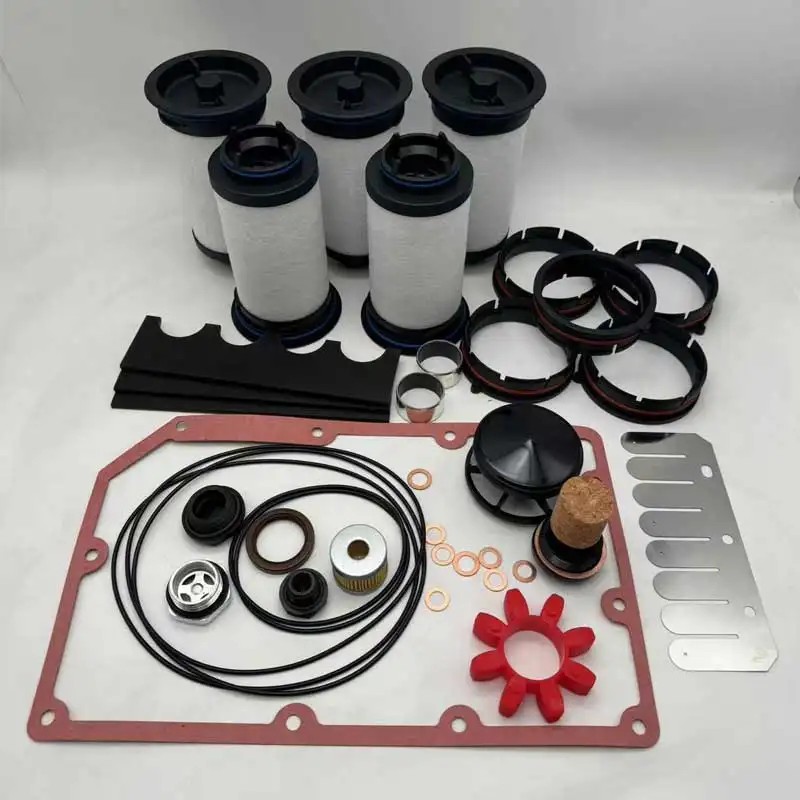
Table of Contents
- Why Seal Repair Parts Are Important
- Types of Seal Repair Parts
- Applications in Industrial Equipment
- How to Choose the Right Seal Repair Parts
- Maintenance and Replacement Tips
- Frequently Asked Questions
- Contact Lano for Seal Repair Solutions
Why Seal Repair Parts Are Important
Seal repair parts prevent leakage, contamination, and pressure loss in machinery. Over time, seals degrade due to heat, friction, and chemical exposure, leading to reduced efficiency, costly downtime, and safety hazards. Using high-quality seal repair parts ensures:
- Extended equipment life
- Improved operational efficiency
- Reduced maintenance costs
- Enhanced safety in industrial environments
Types of Seal Repair Parts
Seal repair parts come in various types depending on machinery requirements. Common types include:
| Seal Type | Description | Application |
|---|---|---|
| O-Rings | Simple, circular elastomer seals used for static and dynamic applications. | Hydraulic cylinders, pumps, valves |
| Gaskets | Flat seals that fill gaps between two surfaces to prevent leakage. | Engine components, industrial flanges |
| Mechanical Seals | Complex seals designed for rotating equipment to prevent fluid escape. | Pumps, compressors, mixers |
| Lip Seals | Seals with a flexible lip to maintain a tight barrier around shafts. | Motors, gearboxes, hydraulic systems |
| Packings | Soft sealing materials compressed in housings to prevent leaks. | Valves, pumps, high-pressure systems |
Applications in Industrial Equipment
Seal repair parts are essential in diverse industries:
- Manufacturing: Prevent leakage in presses, hydraulic machinery, and production lines.
- Automotive: Protect engines, transmissions, and fuel systems from fluid loss.
- Chemical Processing: Maintain containment in pumps, reactors, and pipelines.
- Energy: Ensure safe operation of turbines, compressors, and hydraulic controls.
How to Choose the Right Seal Repair Parts
Selecting the correct seal repair part is critical to maintain reliability. Consider these factors:
- Material Compatibility: Ensure seals withstand the type of fluid, temperature, and chemical exposure.
- Size and Dimensions: Precise measurements reduce the risk of leaks or mechanical damage.
- Operating Conditions: Pressure, speed, and temperature affect seal performance.
- Quality Standards: Choose parts from reputable manufacturers like Lano to guarantee longevity.
Maintenance and Replacement Tips
Regular inspection and timely replacement of seal repair parts prevent unplanned downtime:
- Inspect seals for cracks, wear, or deformation every 3–6 months.
- Lubricate moving seals to reduce friction and heat generation.
- Replace seals immediately if leakage is detected.
- Keep an inventory of critical seal types to minimize repair delays.
Frequently Asked Questions
-
What is the typical lifespan of a seal repair part?
Seal lifespan varies with material, operating conditions, and maintenance, typically ranging from 1 to 5 years.
-
Can seal repair parts be reused?
Reusing seals is generally not recommended due to material fatigue and potential leakage risk.
-
Why should industrial facilities choose branded seals?
High-quality brands like Lano provide consistent performance, reduce downtime, and comply with industrial safety standards.
-
How do I identify the correct seal for my equipment?
Check the equipment manual for specifications and consult with the supplier for compatibility and recommendations.
Contact Lano for Seal Repair Solutions
Lano offers a wide range of seal repair parts designed to meet industrial standards and ensure long-term reliability. For inquiries, pricing, or technical support, contact us today and secure your machinery's efficiency and safety with trusted seal solutions.
Send Inquiry



X
We use cookies to offer you a better browsing experience, analyze site traffic and personalize content. By using this site, you agree to our use of cookies.
Privacy Policy