 English
 Esperanto
  Afrikaans
  Català
  שפה עברית
  Cymraeg
  Galego
  Latviešu
  icelandic
  ייִדיש
  беларускі
  Hrvatski
  Kreyòl ayisyen
  Shqiptar
  Malti
Malti  lugha ya Kiswahili
  አማርኛ
አማርኛ  Bosanski
  Frysk
Frysk  ភាសាខ្មែរ
  ქართული
  ગુજરાતી
  Hausa
Hausa  Кыргыз тили
  ಕನ್ನಡ
ಕನ್ನಡ  Corsa
Corsa  Kurdî
Kurdî  മലയാളം
  Maori
Maori  Монгол хэл
  Hmong
Hmong  IsiXhosa
  Zulu
Zulu  Punjabi
  پښتو
پښتو  Chichewa
  Samoa
Samoa  Sesotho
  සිංහල
සිංහල  Gàidhlig
  Cebuano
  Somali
  Тоҷикӣ
  O'zbek
  Hawaiian
  سنڌي
سنڌي  Shinra
  Հայերեն
  Igbo
Igbo  Sundanese
  Lëtzebuergesch
  Malagasy
  Yoruba
  অসমীয়া
  ଓଡିଆ
ଓଡିଆ  Español
  Português
  русский
  Français
  日本語
日本語  Deutsch
  tiếng Việt
  Italiano
  Nederlands
  ภาษาไทย
  Polski
  한국어
한국어  Svenska
  magyar
  Malay
Malay  বাংলা ভাষার
  Dansk
Dansk  Suomi
Suomi  हिन्दी
  Pilipino
  Türkçe
  Gaeilge
  العربية
  Indonesia
  Norsk
Norsk  تمل
تمل  český
český  ελληνικά
  український
  Javanese
  فارسی
فارسی  தமிழ்
தமிழ்  తెలుగు
  नेपाली
  Burmese
  български
  ລາວ
ລາວ  Latine
  Қазақша
  Euskal
  Azərbaycan
  Slovenský jazyk
  Македонски
  Lietuvos
  Eesti Keel
  Română
  Slovenski
  मराठी
मराठी  Srpski језик


How Can VOC Treatment Equipment Improve Industrial Air Quality?
Abstract: VOC Treatment Equipment plays a pivotal role in industrial air quality management by controlling volatile organic compound emissions. This article provides a comprehensive overview of VOC treatment solutions, explores key operational parameters, examines common industry challenges, and addresses frequently asked questions. By understanding the mechanisms, applications, and maintenance of VOC Treatment Equipment, industries can enhance environmental compliance and ensure workplace safety.
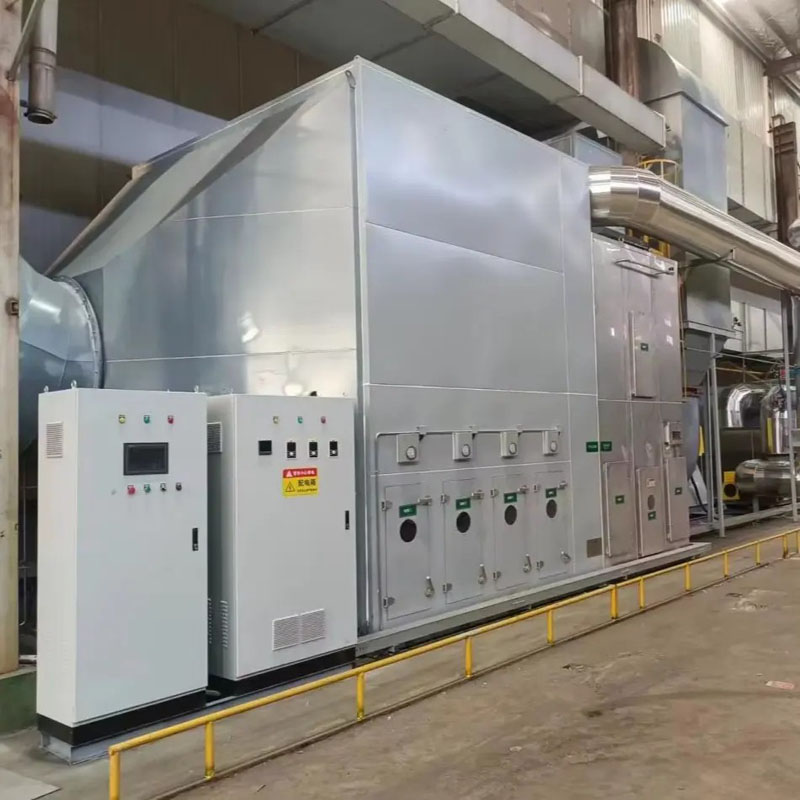
Table of Contents
Introduction to VOC Treatment Equipment Types and Mechanisms of VOC Treatment Equipment Frequently Asked Questions About VOC Treatment Equipment Conclusion and Contact
Introduction to VOC Treatment Equipment
Volatile Organic Compounds (VOCs) are a major contributor to industrial air pollution, originating from processes such as painting, coating, chemical manufacturing, and solvent handling. Effective VOC treatment is critical to meet environmental regulations, reduce workplace hazards, and minimize ecological impact. VOC Treatment Equipment refers to specialized machinery designed to capture, neutralize, or destroy VOC emissions through physical, chemical, or biological methods.
This article focuses on the core aspects of VOC Treatment Equipment, including performance parameters, operational principles, and common industry questions, aiming to guide companies in selecting and maintaining suitable solutions.
Key Technical Parameters of VOC Treatment Equipment
| Parameter | Typical Range/Specification | Description |
|---|---|---|
| Air Flow Rate | 500–5000 m³/h | Volume of air processed per hour, impacting overall VOC removal efficiency |
| VOC Removal Efficiency | 85–99% | Percentage of VOCs removed from exhaust air |
| Operating Temperature | 25–800°C | Depends on treatment method: adsorption, thermal oxidation, or bio-filtration |
| Pressure Drop | 50–200 Pa | Resistance generated by the equipment, affecting energy consumption |
| Power Consumption | 1–15 kW | Energy required to operate the equipment under standard conditions |
Types and Mechanisms of VOC Treatment Equipment
1. Adsorption Systems
Adsorption systems utilize activated carbon or other porous materials to trap VOC molecules from industrial exhaust streams. These systems are highly effective for low-concentration VOC emissions and are suitable for continuous operations.
2. Thermal Oxidizers
Thermal oxidizers use high temperatures to combust VOCs into carbon dioxide and water. They are appropriate for industries with high VOC concentrations and ensure rapid removal but require significant energy input.
3. Bio-Filtration Units
Bio-filters employ microorganisms to biodegrade VOCs into harmless by-products. These systems are energy-efficient, environmentally friendly, and ideal for moderate VOC loads with minimal hazardous by-products.
4. Catalytic Oxidation Systems
These systems accelerate VOC oxidation at lower temperatures using catalysts, providing energy savings while maintaining high efficiency. They are particularly suited for solvent recovery applications.
5. Wet Scrubbers
Wet scrubbers remove VOCs by contacting polluted air with a liquid absorbent. This method is effective for soluble VOCs and can be integrated with chemical neutralization for specific compounds.
Frequently Asked Questions About VOC Treatment Equipment
Q1: How to select the right VOC Treatment Equipment for a specific industry?
A1: Selection depends on VOC concentration, airflow volume, emission patterns, regulatory requirements, and operational costs. Adsorption systems are suitable for low-concentration VOCs, thermal oxidizers for high concentrations, and bio-filters for biodegradable VOCs. A thorough site assessment and pilot testing ensure optimal performance.
Q2: How to maintain VOC Treatment Equipment to ensure long-term efficiency?
A2: Maintenance involves regular inspection of filters, activated carbon replacement, catalyst monitoring, temperature control checks, and cleaning of bio-filtration media. Scheduled preventive maintenance reduces downtime, ensures consistent removal efficiency, and prolongs equipment lifespan.
Q3: How to measure the effectiveness of VOC Treatment Equipment?
A3: Effectiveness is measured using VOC concentration analysis before and after treatment. Gas chromatography or photoionization detectors are common methods. Monitoring parameters like airflow, temperature, and pressure drop also indicate operational efficiency.
Q4: How to handle fluctuations in VOC load and composition?
A4: Advanced VOC Treatment Equipment often includes modular systems, adjustable airflow, and variable thermal/catalytic control. Real-time monitoring and adaptive control systems allow the equipment to respond efficiently to changing emission conditions.
Q5: How to ensure compliance with local environmental regulations?
A5: Compliance requires understanding local emission limits, selecting equipment certified by recognized authorities, maintaining records of VOC removal efficiency, and periodic third-party audits. Proper equipment sizing and continuous monitoring are critical for regulatory adherence.
Conclusion and Contact
VOC Treatment Equipment remains an essential component in industrial air pollution control, providing reliable solutions to reduce volatile organic compound emissions. By selecting appropriate technologies, monitoring operational parameters, and implementing effective maintenance strategies, industries can achieve both regulatory compliance and environmental sustainability. Lano Machinery offers a wide range of VOC Treatment Equipment tailored for diverse industrial applications, ensuring optimal performance and energy efficiency.
For detailed inquiries, consultation, and personalized solutions, contact us today to learn how Lano Machinery can support your VOC management strategy.
Send Inquiry



X
We use cookies to offer you a better browsing experience, analyze site traffic and personalize content. By using this site, you agree to our use of cookies.
Privacy Policy