 English
 Esperanto
  Afrikaans
  Català
  שפה עברית
  Cymraeg
  Galego
  Latviešu
  icelandic
  ייִדיש
  беларускі
  Hrvatski
  Kreyòl ayisyen
  Shqiptar
  Malti
Malti  lugha ya Kiswahili
  አማርኛ
አማርኛ  Bosanski
  Frysk
Frysk  ភាសាខ្មែរ
  ქართული
  ગુજરાતી
  Hausa
Hausa  Кыргыз тили
  ಕನ್ನಡ
ಕನ್ನಡ  Corsa
Corsa  Kurdî
Kurdî  മലയാളം
  Maori
Maori  Монгол хэл
  Hmong
Hmong  IsiXhosa
  Zulu
Zulu  Punjabi
  پښتو
پښتو  Chichewa
  Samoa
Samoa  Sesotho
  සිංහල
සිංහල  Gàidhlig
  Cebuano
  Somali
  Тоҷикӣ
  O'zbek
  Hawaiian
  سنڌي
سنڌي  Shinra
  Հայերեն
  Igbo
Igbo  Sundanese
  Lëtzebuergesch
  Malagasy
  Yoruba
  অসমীয়া
  ଓଡିଆ
ଓଡିଆ  Español
  Português
  русский
  Français
  日本語
日本語  Deutsch
  tiếng Việt
  Italiano
  Nederlands
  ภาษาไทย
  Polski
  한국어
한국어  Svenska
  magyar
  Malay
Malay  বাংলা ভাষার
  Dansk
Dansk  Suomi
Suomi  हिन्दी
  Pilipino
  Türkçe
  Gaeilge
  العربية
  Indonesia
  Norsk
Norsk  تمل
تمل  český
český  ελληνικά
  український
  Javanese
  فارسی
فارسی  தமிழ்
தமிழ்  తెలుగు
  नेपाली
  Burmese
  български
  ລາວ
ລາວ  Latine
  Қазақша
  Euskal
  Azərbaycan
  Slovenský jazyk
  Македонски
  Lietuvos
  Eesti Keel
  Română
  Slovenski
  मराठी
मराठी  Srpski језик


How Does a Swing Motor Work in Heavy Equipment Applications?
Abstract
A swing motor is a core hydraulic drive component used in excavators and other rotating construction equipment to control upper-structure rotation. This article explains how a swing motor operates, how its internal structure supports stable torque output, and how it integrates with modern hydraulic systems. The content focuses on technical understanding, performance parameters, common operational questions, and long-term industry direction, structured to meet search behavior and reading habits in English-speaking markets.
Article Outline
- Product Overview and Core Purpose
- Technical Parameters and Structural Design
- How Swing Motors Perform in Real Applications
- How Industry Development Is Shaping Swing Motor Design
Table of Contents
- 1. How Is a Swing Motor Defined in Hydraulic Systems?
- 2. How Are Swing Motor Parameters Interpreted?
- 3. How Does a Swing Motor Operate Under Load?
- 4. How Do Common Swing Motor Questions Affect Equipment Performance?
- 5. How Will Swing Motors Evolve in the Future?
1. How Is a Swing Motor Defined in Hydraulic Systems?
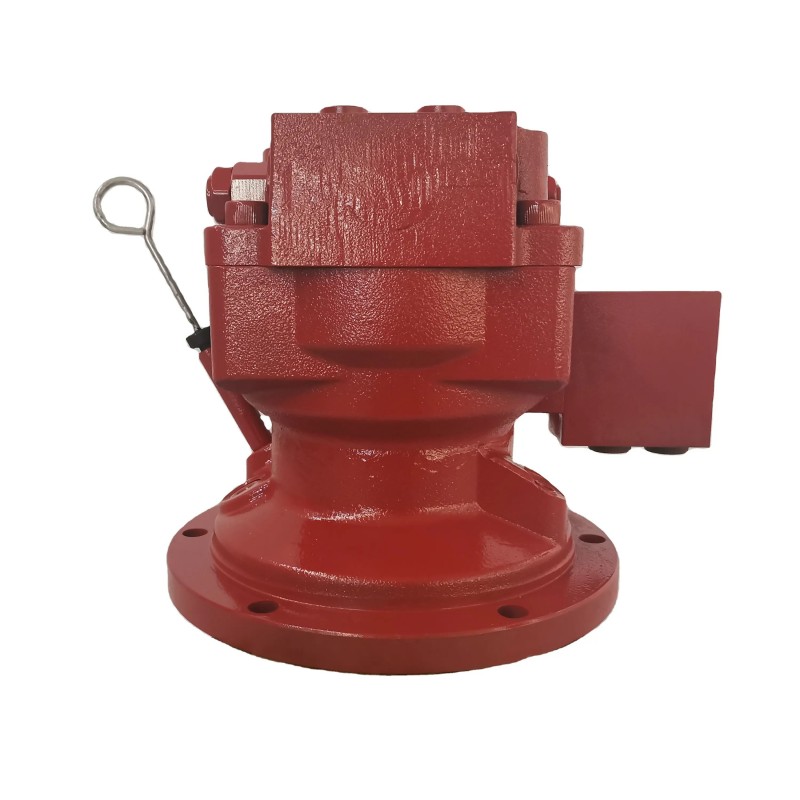
A swing motor is a hydraulic rotary actuator designed to generate controlled rotational motion for the upper structure of excavators, cranes, and similar heavy equipment. Installed between the swing gearbox and the hydraulic circuit, it converts hydraulic pressure into rotational torque, allowing precise control of movement speed, direction, and stopping accuracy.
The central purpose of a swing motor is not merely rotation, but controlled rotation under variable load conditions. Unlike linear hydraulic motors, swing motors must maintain stability during acceleration, deceleration, and braking phases while supporting the mass of the entire upper structure.
2. How Are Swing Motor Parameters Interpreted?
Understanding swing motor specifications is essential for equipment matching and system optimization. Parameters determine compatibility, operational efficiency, and service life.
| Parameter | Technical Description |
|---|---|
| Displacement | Defines the volume of hydraulic fluid required per rotation cycle, directly influencing torque output. |
| Rated Pressure | Maximum continuous hydraulic pressure the motor can operate under without performance degradation. |
| Maximum Torque | The rotational force generated under rated pressure conditions. |
| Rotational Speed | Measured in RPM, determining how fast the upper structure can rotate. |
| Brake Holding Capacity | Internal braking capability to maintain position when hydraulic flow stops. |
| Mounting Interface | Standardized flange and shaft configuration for gearbox integration. |
These parameters must be evaluated collectively. A swing motor with high torque but insufficient braking capacity may compromise operational safety, while excessive speed without proportional torque may reduce controllability.
3. How Does a Swing Motor Operate Under Load?
During operation, hydraulic oil enters the motor through directional control valves. The internal piston or gear assembly transforms fluid pressure into rotational motion, which is transmitted to the swing reduction gearbox. This gearbox amplifies torque while reducing speed, enabling smooth rotation of heavy superstructures.
Load variation is a defining challenge. When an excavator lifts material, the swing motor must counterbalance inertia, centrifugal force, and uneven weight distribution. Advanced swing motors incorporate integrated relief valves and cushioning systems to absorb shock loads and reduce stress on hydraulic components.
Consistent performance under load is achieved through precision machining, optimized internal flow paths, and balanced component design. These elements collectively enhance responsiveness while minimizing energy loss.
4. How Do Common Swing Motor Questions Affect Equipment Performance?
How does a swing motor differ from a travel motor?
A swing motor controls rotational movement of the upper structure, while a travel motor drives linear movement through tracks or wheels. Each is designed for distinct load and speed requirements.
How can swing motor failure symptoms be identified?
Common indicators include abnormal noise, delayed response, inconsistent rotation speed, or difficulty maintaining position when stopped. These symptoms often point to internal leakage or brake wear.
How often should swing motor maintenance be performed?
Maintenance intervals depend on operating conditions, but regular hydraulic oil inspection, seal checks, and brake function testing are recommended to ensure stable performance.
5. How Will Swing Motors Evolve in the Future?
Future swing motor development is driven by higher efficiency requirements, tighter emission standards, and increasing demand for intelligent machinery. Manufacturers are focusing on improved internal sealing, reduced friction losses, and enhanced integration with electronic control systems.
Condition monitoring sensors and adaptive control logic are gradually becoming part of swing motor systems. These technologies allow real-time feedback, predictive maintenance, and optimized energy consumption across different working modes.
Material advancements and surface treatment technologies are also contributing to longer service life and more stable performance in extreme environments.
Conclusion and Brand Reference
Swing motors remain a critical component in heavy equipment operation, directly influencing precision, safety, and efficiency. A clear understanding of how swing motors function, how parameters interact, and how industry direction is shaping their development supports informed equipment decisions.
Lano focuses on delivering swing motor solutions engineered for reliability, compatibility, and long-term operational stability across a wide range of construction and industrial applications.
For detailed specifications, application matching, or technical consultation, please contact us to discuss project requirements and product selection.
Send Inquiry



X
We use cookies to offer you a better browsing experience, analyze site traffic and personalize content. By using this site, you agree to our use of cookies.
Privacy Policy