 English
 Esperanto
 Afrikaans
 Català
 שפה עברית
 Cymraeg
 Galego
 Latviešu
 icelandic
 ייִדיש
 беларускі
 Hrvatski
 Kreyòl ayisyen
 Shqiptar
 Malti
 lugha ya Kiswahili
 አማርኛ
 Bosanski
 Frysk
 ភាសាខ្មែរ
 ქართული
 ગુજરાતી
 Hausa
 Кыргыз тили
 ಕನ್ನಡ
 Corsa
 Kurdî
 മലയാളം
 Maori
 Монгол хэл
 Hmong
 IsiXhosa
 Zulu
 Punjabi
 پښتو
 Chichewa
 Samoa
 Sesotho
 සිංහල
 Gàidhlig
 Cebuano
 Somali
 Тоҷикӣ
 O'zbek
 Hawaiian
 سنڌي
 Shinra
 Հայերեն
 Igbo
 Sundanese
 Lëtzebuergesch
 Malagasy
 Yoruba
 অসমীয়া
 ଓଡିଆ
 Español
 Português
 русский
 Français
 日本語
 Deutsch
 tiếng Việt
 Italiano
 Nederlands
 ภาษาไทย
 Polski
 한국어
 Svenska
 magyar
 Malay
 বাংলা ভাষার
 Dansk
 Suomi
 हिन्दी
 Pilipino
 Türkçe
 Gaeilge
 العربية
 Indonesia
 Norsk
 تمل
 český
 ελληνικά
 український
 Javanese
 فارسی
 தமிழ்
 తెలుగు
 नेपाली
 Burmese
 български
 ລາວ
 Latine
 Қазақша
 Euskal
 Azərbaycan
 Slovenský jazyk
 Македонски
 Lietuvos
 Eesti Keel
 Română
 Slovenski
 मराठी
 Srpski језик


How Does the G4FC Used Cylinder Engine Assembly Ensure Reliable Performance for Hyundai and Kia Vehicles?
Abstract
Restoring a vehicle to its optimal operating condition often requires sourcing high-quality, dependable mechanical components. This comprehensive guide explores the technical specifications, operational advantages, and installation nuances of a critical powerplant component. When internal engine damage occurs, automotive professionals frequently turn to a G4FC Used Cylinder Engine Assembly as a practical solution to restore factory-level performance. By understanding the engineering behind this robust unit, technicians and vehicle owners can make informed decisions that extend the lifespan of their Hyundai and Kia models.
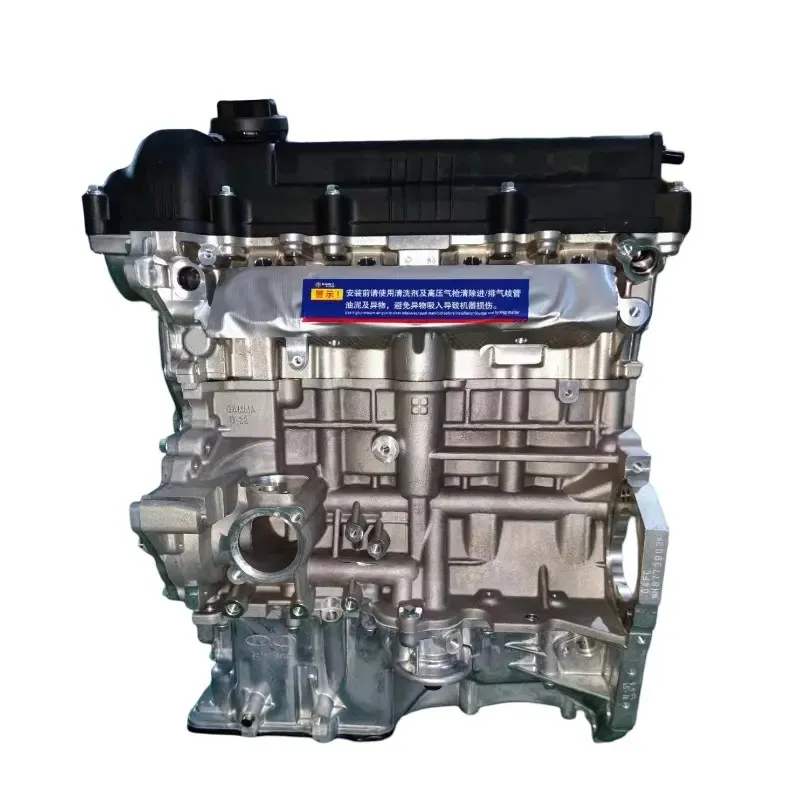
Table of Contents
- 1. Understanding the Core Mechanical Component
- 2. Compatibility and Performance Dynamics
- 3. Comprehensive Quality Assurance Protocols
- 4. Detailed Technical Specifications
- 5. Installation and Maintenance Best Practices
- 6. Advanced Techniques for Maximizing Engine Longevity
- 7. Frequently Asked Questions
Understanding the Core Mechanical Component
Modern automotive engineering relies on a complex orchestration of mechanical, electrical, and thermodynamic systems. At the very center of this orchestration lies the engine block and its associated internal components. The G4FC and G4FA engine families are renowned for their widespread use in a variety of Hyundai and Kia compact vehicles, offering a balance of fuel efficiency and spirited performance. When catastrophic internal failure occurs—such as a seized piston, a warped cylinder head, or catastrophic timing chain failure—rebuilding the original unit can be exceptionally time-consuming and prone to error if not performed in a highly controlled machining environment.
This is where the strategic replacement of the entire long block becomes highly advantageous. The long block assembly fundamentally includes the engine block, crankshaft, connecting rods, pistons, cylinder head, camshafts, and valvetrain components. By opting for a pre-assembled unit, mechanics can bypass the meticulous and error-prone process of individually sourcing and fitting these internal parts. The engineering design of the G4FC series focuses on high thermal efficiency and reduced friction. The cylinder head features a dual overhead camshaft (DOHC) design with 16 valves, ensuring optimal air intake and exhaust expulsion. The block itself is typically constructed from cast iron or high-strength aluminum alloy, designed to withstand significant internal pressures while maintaining structural integrity under extreme thermal cycling.
Furthermore, the integration of these components from the factory ensures that tolerances are exact. Micron-level clearances between the crankshaft journals and bearings, as well as precise piston-to-wall clearances, are critical for preventing premature wear and minimizing vibration. When technicians integrate a pre-assembled unit, they are essentially reintroducing a powerplant that has been assembled under strict quality control conditions, which significantly reduces the risk of human error during the overhaul process.
Compatibility and Performance Dynamics
The versatility of the G4FC and G4FA powerplants is one of their defining characteristics. These 1.4-liter and 1.6-liter four-cylinder engines are widely utilized across multiple vehicle platforms. Understanding the exact compatibility matrix is essential for automotive repair professionals to ensure seamless integration. The engine's architecture allows for transverse mounting in front-wheel-drive configurations, which is standard for vehicles like the Hyundai Accent, Kia Rio, Hyundai Elantra, and Kia Ceed.
Performance-wise, these engines are equipped with Continuous Variable Valve Timing (CVVT) systems. This technology adjusts the timing of the camshafts relative to the crankshaft position, optimizing engine breathing across different RPM ranges. When replacing a damaged engine, ensuring that the replacement unit is equipped with a fully functional and tested CVVT mechanism is paramount. A properly functioning variable valve timing system contributes to a smooth idle, improved low-end torque, and enhanced fuel economy.
Moreover, the structural rigidity of the engine block plays a crucial role in noise, vibration, and harshness (NVH) levels inside the cabin. The factory-engineered mounts and block ribs are designed to absorb and dissipate vibrations effectively. By utilizing a replacement assembly that maintains these exact structural characteristics, the driving experience is preserved. It is crucial to verify that the replacement matches the original engine code, as subtle differences between the 1.4L and 1.6L variations—such as stroke length and cylinder bore diameter—can affect the Engine Control Unit (ECU) calibration. A perfectly matched G4FC Used Cylinder Engine Assembly ensures that the delicate balance between the engine's mechanical operation and the vehicle's electronic management systems remains perfectly synchronized.
Comprehensive Quality Assurance Protocols
Securing a reliable replacement component requires a rigorous approach to quality control. Backed by the rigorous standards of Lano, every unit undergoes exhaustive testing to verify its operational integrity. The evaluation process begins with a complete teardown and visual inspection of the core. Any signs of severe cracking, warping, or excessive wear on the cylinder walls or head surface result in immediate rejection.
Once the core is cleared, it moves to the cleaning and machining phase. High-pressure thermal cleaning is utilized to remove all carbon deposits and sludge accumulation from internal oil galleries and coolant passages. Following this, precise measurements are taken. Cylinder bores are checked for roundness and taper using industrial bore gauges. The deck surface of the block and the cylinder head are checked for flatness using precision straight edges and feeler gauges. If any deviations are found, the surfaces are resurfaced to factory specifications to ensure a perfect head gasket seal.
Rotating assemblies are also meticulously inspected. The crankshaft is checked for straightness and journal wear. Connecting rods are checked for twisting and stretching. Pistons and rings are inspected for scoring or excessive clearance. The valvetrain, including valves, springs, and rocker arms, is thoroughly tested for proper seating and tension. Finally, a comprehensive compression test and leak-down test are performed to guarantee that the combustion chambers are sealed completely. Only after passing these stringent, multi-point inspections is a component approved for the market. Purchasing a tested assembly guarantees that the internal tolerances and torque specifications are exactly as they were when the vehicle originally left the manufacturing plant.
Detailed Technical Specifications
To ensure seamless integration into the vehicle's engine bay, it is vital to understand the precise dimensional and operational parameters. The following data outlines the core specifications typically associated with these powerplants.
| Product Name | Engine Long Block |
| Engine Model | G4FC / G4FA |
| Displacement | 1.4L / 1.6L |
| Quality Standard | 100% Professionally Tested |
| Product Group | Engine Assembly |
| Primary Purpose | For replace / repair |
| OE Numbers | G4FA / G4FC |
| Fuel Type | Gasoline / Petrol Engine |
| Power Output | Standards |
| Torque | Standard |
| ODM / OEM Service | Supported |
| Model Number | Standard Size |
| Warranty Coverage | 12 Months |
| Engine Code | G4FA / G4FC |
| Compatible Car Models | Hyundai / Kia |
| Condition | Used (Tested and Verified) |
| Number of Cylinders | 4 Cylinder |
Installation and Maintenance Best Practices
Proper installation is just as critical as the quality of the replacement component itself. A meticulously engineered unit can suffer rapid failure if installed improperly. Therefore, adhering to a strict sequence of installation protocols is essential for automotive technicians.
Before the installation begins, a thorough inspection of the engine bay is required. Check the condition of the transmission bell housing, engine mounts, and all ancillary components. The radiator should be flushed, and the cooling system thoroughly inspected to ensure no debris can enter the new engine. The engine wiring harness and ECU must be verified to be fully functional and free of diagnostic trouble codes.
- Pre-Installation Flushing: Flush all oil coolers and lines to prevent metal debris from the old engine from contaminating the new assembly.
- Torque Specifications: Always use calibrated torque wrenches and follow the factory sequence for tightening the flywheel, clutch, and engine mount bolts.
- Fluid Replacement: Use high-quality, manufacturer-recommended engine oil and coolant. Never reuse old fluids.
- Initial Start-Up: Disable the ignition and fuel systems to crank the engine briefly to build oil pressure before the first actual start.
Post-installation, the maintenance regimen must be strictly followed. The break-in period for a replacement long block requires moderate driving habits. Avoid heavy towing, high RPMs, and extended idling for the first 1,000 miles. This allows the piston rings to seat properly against the cylinder walls, ensuring optimal compression and minimizing oil consumption. Regular oil changes are the lifeblood of any internal combustion engine. For a replacement assembly, an initial oil change after the first 500 miles is highly recommended to flush out any microscopic wear particles generated during the initial break-in phase. Subsequently, adhering to the manufacturer's severe service interval is advised, especially for vehicles operating in stop-and-go traffic or extreme climates.
Additionally, periodically inspecting the cooling system is vital. The G4FC engine relies on an efficient cooling system to maintain optimal operating temperatures. Thermostat malfunctions or a failing water pump can lead to catastrophic overheating, which can warp the cylinder head or blow the head gasket. Regular checks of the serpentine belt, tensioner, and all hoses help prevent sudden breakdowns. By leveraging a professionally prepared G4FC Used Cylinder Engine Assembly combined with meticulous post-installation care, the vehicle's service life can be significantly extended.
Advanced Techniques for Maximizing Engine Longevity
Beyond standard maintenance, several advanced techniques can further enhance the durability of the replacement engine. Fuel system cleanliness is a critical factor. Direct injection and port injection systems alike are sensitive to carbon buildup and fuel quality. Using top-tier detergent gasoline helps prevent injector clogging and intake valve deposits. For port-injected G4FC engines, periodic intake valve cleaning using walnut blasting or specialized chemical cleaners can restore lost performance and improve combustion efficiency.
The PCV (Positive Crankcase Ventilation) system also demands attention. A clogged PCV valve can lead to excessive crankcase pressure, which can cause oil leaks and force oil vapors back into the intake tract, leading to detonation and carbon buildup. Replacing this inexpensive component during engine installation is a highly recommended preventative measure. Similarly, the ignition system components—spark plugs and ignition coils—should be replaced to ensure a strong, consistent spark. A weak spark can cause incomplete combustion, leading to fouled plugs and premature catalytic converter failure.
Engine mounting hardware is frequently overlooked. Worn engine mounts subject the engine block to excessive vibration and stress, which can lead to fatigue and cracking over time. Inspecting and replacing worn engine mounts upon installation of the new assembly ensures that the engine operates within its designed vibrational parameters. Furthermore, monitoring the engine's operating parameters via an OBD-II scanner can provide early warnings of potential issues. Monitoring fuel trims, coolant temperature, and ignition timing can help identify vacuum leaks or sensor failures before they escalate into major mechanical problems. The combination of a robust initial component and proactive, data-driven maintenance yields the best possible reliability outcomes.
Frequently Asked Questions
What is the packing for these engine components?
Goods are generally packed in neutral or white boxes and reinforced brown cartons to ensure safe transit. Customized packaging and branding are available upon request, subject to an authorization letter.
When can delivery be expected after payment?
The standard delivery timeframe is within 15 days after payment clearance. Every effort is made to expedite the shipment while guaranteeing the integrity and quality of the component.
Does the company provide customized services?
Yes, customized services are provided when purchase quantities reach a certain threshold. The process begins with accepting drawings for product customization, followed by tailoring product labels, packing, and promotional gifts according to specific requirements.
When will a quotation be provided?
Quotations are typically issued within 12 hours of receiving an inquiry. The sales team is highly responsive and ready to assist with detailed pricing and technical information.
Is the company a trading company or a manufacturer?
The company operates its own factory and warehouse facilities, allowing for direct quality control and efficient logistics management.
Are small orders accepted?
Yes, small orders are welcomed. The team is dedicated to providing convenience and building long-term relationships with clients of all sizes.
Ready to restore your vehicle's power and reliability? Contact us today to discuss your specific engine requirements. Our expert team is standing by to provide personalized guidance and seamless procurement solutions for your automotive repair needs.
Get in Touch NowSend Inquiry



X
We use cookies to offer you a better browsing experience, analyze site traffic and personalize content. By using this site, you agree to our use of cookies.
Privacy Policy