 English
 Esperanto
  Afrikaans
  Català
  שפה עברית
  Cymraeg
  Galego
  Latviešu
  icelandic
  ייִדיש
  беларускі
  Hrvatski
  Kreyòl ayisyen
  Shqiptar
  Malti
Malti  lugha ya Kiswahili
  አማርኛ
አማርኛ  Bosanski
  Frysk
Frysk  ភាសាខ្មែរ
  ქართული
  ગુજરાતી
  Hausa
Hausa  Кыргыз тили
  ಕನ್ನಡ
ಕನ್ನಡ  Corsa
Corsa  Kurdî
Kurdî  മലയാളം
  Maori
Maori  Монгол хэл
  Hmong
Hmong  IsiXhosa
  Zulu
Zulu  Punjabi
  پښتو
پښتو  Chichewa
  Samoa
Samoa  Sesotho
  සිංහල
සිංහල  Gàidhlig
  Cebuano
  Somali
  Тоҷикӣ
  O'zbek
  Hawaiian
  سنڌي
سنڌي  Shinra
  Հայերեն
  Igbo
Igbo  Sundanese
  Lëtzebuergesch
  Malagasy
  Yoruba
  অসমীয়া
  ଓଡିଆ
ଓଡିଆ  Español
  Português
  русский
  Français
  日本語
日本語  Deutsch
  tiếng Việt
  Italiano
  Nederlands
  ภาษาไทย
  Polski
  한국어
한국어  Svenska
  magyar
  Malay
Malay  বাংলা ভাষার
  Dansk
Dansk  Suomi
Suomi  हिन्दी
  Pilipino
  Türkçe
  Gaeilge
  العربية
  Indonesia
  Norsk
Norsk  تمل
تمل  český
český  ελληνικά
  український
  Javanese
  فارسی
فارسی  தமிழ்
தமிழ்  తెలుగు
  नेपाली
  Burmese
  български
  ລາວ
ລາວ  Latine
  Қазақша
  Euskal
  Azərbaycan
  Slovenský jazyk
  Македонски
  Lietuvos
  Eesti Keel
  Română
  Slovenski
  मराठी
मराठी  Srpski језик


How to Choose the Right Axle Shaft for Your Vehicle?
Abstract: Axle shafts are critical components in automotive systems, responsible for transmitting torque from the differential to the wheels. This article provides a comprehensive guide on axle shaft selection, types, installation, maintenance, and answers common questions. It is designed for automotive engineers, mechanics, and enthusiasts seeking expert insights.
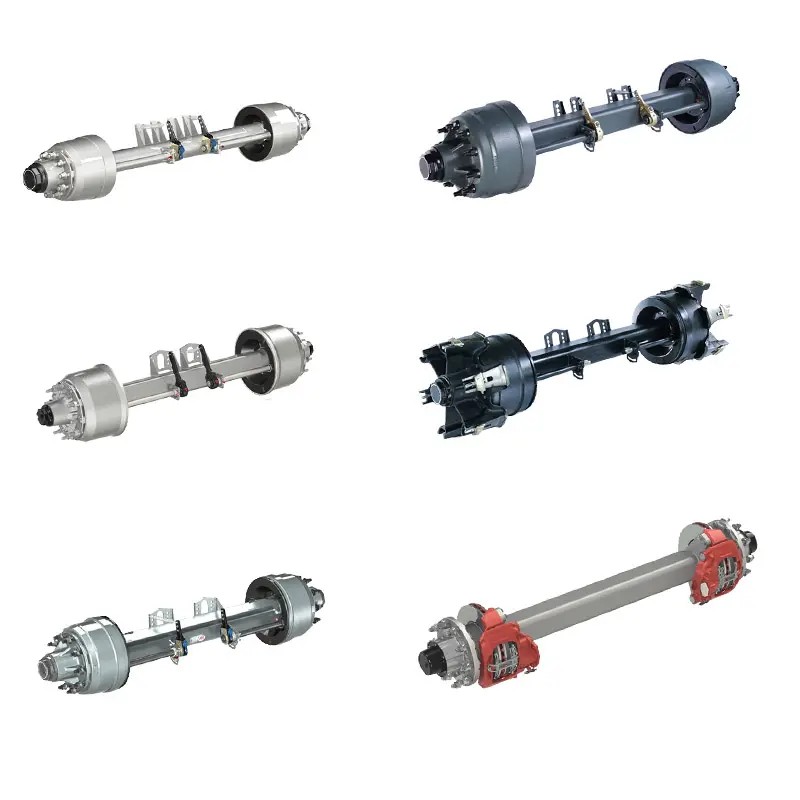
Table of Contents
- Introduction to Axle Shafts
- Types and Specifications of Axle Shafts
- How to Select and Install an Axle Shaft
- Common Questions About Axle Shafts
- Conclusion and Contact
1. Introduction to Axle Shafts
Axle shafts are essential components in vehicles, connecting the differential to the drive wheels. They are engineered to withstand torque, rotational forces, and various load conditions while ensuring smooth vehicle operation. Axle shafts are commonly used in cars, trucks, SUVs, and industrial vehicles. The primary purpose of an axle shaft is to transfer power efficiently from the engine to the wheels while maintaining structural integrity under stress.
This article focuses on detailed specifications of axle shafts, guiding professionals and vehicle owners in making informed decisions for replacement, maintenance, and performance optimization. Core considerations include material selection, size, load capacity, and compatibility with differential systems.
2. Types and Specifications of Axle Shafts
Axle shafts vary depending on vehicle type, torque requirements, and application conditions. The main categories include:
- Solid Axle Shafts
- Independent Axle Shafts
- Half Shafts for Front-Wheel Drive
- Full-Length Drive Axles for Rear-Wheel Drive
Professional Parameters Table
| Parameter | Description |
|---|---|
| Material | High-strength alloy steel (chromium-molybdenum or carbon steel) |
| Length | Varies by vehicle model, typically 24–48 inches |
| Diameter | 20–60 mm depending on load and torque requirements |
| Torque Capacity | Up to 2000 Nm for heavy-duty applications |
| Surface Treatment | Heat-treated and hardened for wear resistance |
| Compatibility | Designed for specific differential and wheel hub configurations |
3. How to Select and Install an Axle Shaft
3.1 Selection Criteria
Choosing the correct axle shaft involves evaluating several key factors:
- Vehicle Type and Load: Determine whether the vehicle is light-duty, medium-duty, or heavy-duty.
- Torque and Power Requirements: Axle shaft material and diameter must match the expected torque output.
- Compatibility: Confirm the axle shaft fits the differential and wheel hub system.
- Environmental Conditions: Consider corrosive environments or off-road conditions for enhanced surface treatments.
3.2 Installation Guidelines
Proper installation ensures the longevity and performance of the axle shaft:
- Inspect the differential and wheel bearings for wear or damage before installation.
- Ensure correct alignment and torque specifications when mounting the shaft.
- Apply high-quality grease or lubrication at splines and joints.
- Verify torque after initial operation to ensure secure fastening.
4. Common Questions About Axle Shafts
Q1: How to determine if an axle shaft needs replacement?
A1: Signs include unusual noises while driving, vibration during acceleration, visible damage to the shaft, or leaking grease around the CV joints. A detailed inspection using a lift and rotational tests can confirm the need for replacement.
Q2: What are the differences between solid and independent axle shafts?
A2: Solid axle shafts are more robust and suited for heavy-duty applications, while independent axle shafts offer better handling, lighter weight, and are commonly used in passenger cars and SUVs. Selection depends on load requirements and driving conditions.
Q3: How to maintain axle shafts for longevity?
A3: Regular inspection, proper lubrication, avoiding overloading, and replacing damaged seals or bearings are essential. Heat treatment and corrosion-resistant coatings can further extend operational life.
5. Conclusion and Contact
Axle shafts are fundamental for vehicle performance and safety. Selecting the right axle shaft requires understanding specifications, torque capacity, and material properties. Regular maintenance ensures long-lasting operation and reduces the risk of failure.
For high-quality axle shafts tailored to various vehicle types, Lano provides engineered solutions with precision manufacturing and robust material standards. To inquire about products, request technical support, or obtain a customized solution, contact us directly.
Send Inquiry



X
We use cookies to offer you a better browsing experience, analyze site traffic and personalize content. By using this site, you agree to our use of cookies.
Privacy Policy