 English
 Esperanto
  Afrikaans
  Català
  שפה עברית
  Cymraeg
  Galego
  Latviešu
  icelandic
  ייִדיש
  беларускі
  Hrvatski
  Kreyòl ayisyen
  Shqiptar
  Malti
Malti  lugha ya Kiswahili
  አማርኛ
አማርኛ  Bosanski
  Frysk
Frysk  ភាសាខ្មែរ
  ქართული
  ગુજરાતી
  Hausa
Hausa  Кыргыз тили
  ಕನ್ನಡ
ಕನ್ನಡ  Corsa
Corsa  Kurdî
Kurdî  മലയാളം
  Maori
Maori  Монгол хэл
  Hmong
Hmong  IsiXhosa
  Zulu
Zulu  Punjabi
  پښتو
پښتو  Chichewa
  Samoa
Samoa  Sesotho
  සිංහල
සිංහල  Gàidhlig
  Cebuano
  Somali
  Тоҷикӣ
  O'zbek
  Hawaiian
  سنڌي
سنڌي  Shinra
  Հայերեն
  Igbo
Igbo  Sundanese
  Lëtzebuergesch
  Malagasy
  Yoruba
  অসমীয়া
  ଓଡିଆ
ଓଡିଆ  Español
  Português
  русский
  Français
  日本語
日本語  Deutsch
  tiếng Việt
  Italiano
  Nederlands
  ภาษาไทย
  Polski
  한국어
한국어  Svenska
  magyar
  Malay
Malay  বাংলা ভাষার
  Dansk
Dansk  Suomi
Suomi  हिन्दी
  Pilipino
  Türkçe
  Gaeilge
  العربية
  Indonesia
  Norsk
Norsk  تمل
تمل  český
český  ελληνικά
  український
  Javanese
  فارسی
فارسی  தமிழ்
தமிழ்  తెలుగు
  नेपाली
  Burmese
  български
  ລາວ
ລາວ  Latine
  Қазақша
  Euskal
  Azərbaycan
  Slovenský jazyk
  Македонски
  Lietuvos
  Eesti Keel
  Română
  Slovenski
  मराठी
मराठी  Srpski језик


How Are Truck Bearings Supporting Heavy-Duty Transport Systems Worldwide?
Article Abstract
Truck bearings are core mechanical components that directly influence vehicle safety, load stability, fuel efficiency, and long-term operating costs in commercial transportation. This article provides a comprehensive analysis of truck bearings from a professional SEO and engineering perspective, focusing on how they function, how to evaluate technical parameters, and how they adapt to future transportation demands. Through structured explanations, parameter analysis, and frequently asked questions, the content aims to support informed procurement, maintenance planning, and long-term operational optimization in heavy-duty vehicle systems.
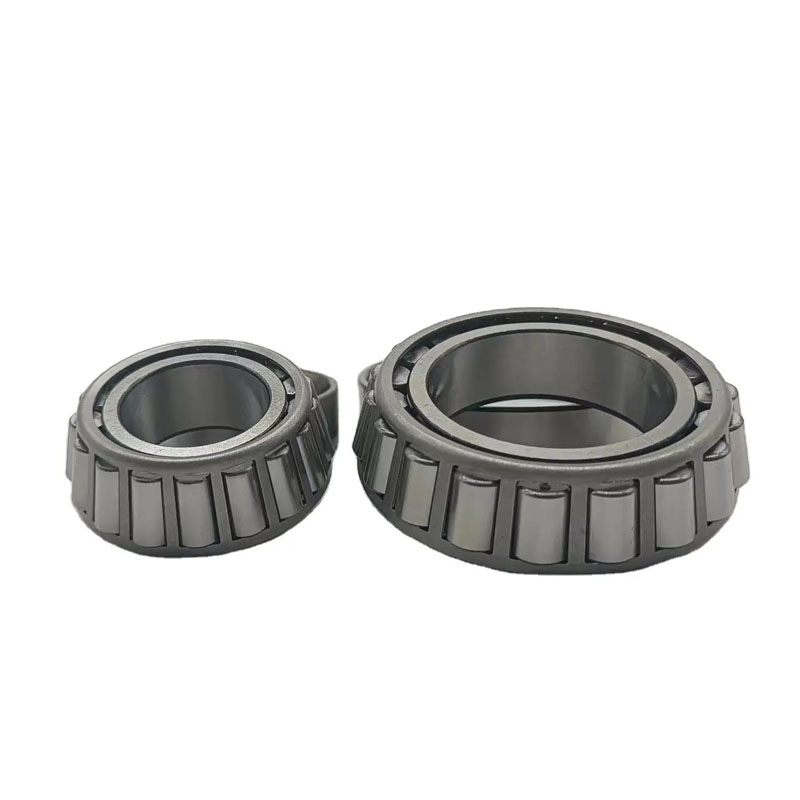
Table of Contents
- How Do Truck Bearings Function in Heavy-Duty Applications?
- How Are Truck Bearing Specifications Defined and Evaluated?
- How Should Truck Bearings Be Selected and Maintained?
- How Will Truck Bearings Evolve with Future Transport Demands?
Article Outline
- Operational principles of truck bearings
- Technical parameters and material standards
- Selection logic and maintenance considerations
- Industry trends and long-term development direction
How Do Truck Bearings Function in Heavy-Duty Applications?
Truck bearings are precision-engineered components designed to reduce friction between rotating parts under high load, high speed, and variable environmental conditions. Installed primarily in wheel hubs, transmissions, and driveline assemblies, truck bearings enable smooth rotational movement while maintaining accurate alignment between shafts and housings.
In heavy-duty trucks, bearings must endure extreme radial and axial loads generated by cargo weight, road impact, braking forces, and continuous long-distance operation. Unlike light vehicle bearings, truck bearings are designed with reinforced raceways, optimized roller geometries, and enhanced lubrication retention to support prolonged service intervals.
The central objective of truck bearing design is to balance load distribution and friction control. By converting sliding friction into rolling friction, bearings significantly reduce heat generation, mechanical wear, and energy loss, directly contributing to vehicle reliability and operational efficiency.
How Are Truck Bearing Specifications Defined and Evaluated?
Evaluating truck bearings requires a structured understanding of mechanical parameters, material properties, and manufacturing tolerances. These parameters ensure compatibility with axle loads, rotational speeds, and environmental exposure.
| Parameter | Description | Industry Relevance |
|---|---|---|
| Inner Diameter (ID) | Fits the axle shaft size | Ensures accurate shaft alignment |
| Outer Diameter (OD) | Matches hub or housing dimensions | Maintains structural stability |
| Dynamic Load Rating | Maximum load during rotation | Predicts bearing fatigue life |
| Static Load Rating | Load capacity without rotation | Prevents deformation during parking or impact |
| Material Grade | Typically alloy or bearing steel | Determines wear resistance and durability |
| Lubrication Type | Grease or oil compatibility | Affects maintenance cycles |
Precision manufacturing standards such as ISO and SAE specifications govern dimensional accuracy and surface finish. Advanced heat treatment processes further enhance hardness consistency and fatigue resistance, which are essential for long-haul and off-road truck applications.
How Should Truck Bearings Be Selected and Maintained?
Common Truck Bearings Questions and Answers
Q: How does load capacity affect truck bearing selection?
A: Load capacity determines the bearing’s ability to withstand continuous operational stress without premature fatigue. Selecting bearings with insufficient load ratings can result in overheating, vibration, and accelerated failure, particularly in heavy freight or construction vehicles.
Q: How often should truck bearings be inspected or replaced?
A: Inspection intervals depend on vehicle usage, road conditions, and lubrication quality. Long-haul trucks typically follow mileage-based inspections, while off-road or mining trucks require more frequent checks due to contamination and shock loads.
Q: How does lubrication influence truck bearing lifespan?
A: Proper lubrication minimizes metal-to-metal contact, dissipates heat, and prevents corrosion. Incorrect lubricant selection or contamination can reduce bearing life by more than half, making lubrication control a critical maintenance factor.
Beyond routine inspection, selection should also consider environmental exposure such as water ingress, dust, and temperature fluctuations. Sealed or shielded bearing designs are often preferred for applications with high contamination risk.
How Will Truck Bearings Evolve with Future Transport Demands?
The evolution of truck bearings is closely aligned with changes in transportation infrastructure, vehicle electrification, and sustainability goals. Higher payload requirements and extended service intervals are driving demand for bearings with advanced materials and optimized internal geometry.
Electrified trucks introduce new operating conditions, including higher torque at low speeds and reduced noise tolerance. Bearings designed for these systems emphasize precision balance and low-friction coatings to support energy efficiency and acoustic performance.
Digital monitoring is also shaping future bearing development. Integrated sensors capable of tracking temperature, vibration, and load conditions enable predictive maintenance strategies, reducing unplanned downtime and extending component life.
Manufacturers such as Lano continue to refine truck bearing solutions by aligning material science, precision engineering, and real-world operational feedback. Through consistent quality control and application-focused design, truck bearings are positioned to remain a foundational element of heavy-duty transportation systems.
Conclusion and Contact
Truck bearings serve as a critical interface between mechanical power and structural load in commercial vehicles. Understanding how they function, how to evaluate their parameters, and how they adapt to evolving transport requirements enables more informed decision-making across procurement, maintenance, and fleet management.
Lano provides truck bearing solutions developed to meet the demanding requirements of global heavy-duty transportation. For detailed specifications, application guidance, or technical consultation, please contact us to discuss how suitable bearing solutions can support long-term operational performance and reliability.
Send Inquiry



X
We use cookies to offer you a better browsing experience, analyze site traffic and personalize content. By using this site, you agree to our use of cookies.
Privacy Policy