 English
 Esperanto
  Afrikaans
  Català
  שפה עברית
  Cymraeg
  Galego
  Latviešu
  icelandic
  ייִדיש
  беларускі
  Hrvatski
  Kreyòl ayisyen
  Shqiptar
  Malti
Malti  lugha ya Kiswahili
  አማርኛ
አማርኛ  Bosanski
  Frysk
Frysk  ភាសាខ្មែរ
  ქართული
  ગુજરાતી
  Hausa
Hausa  Кыргыз тили
  ಕನ್ನಡ
ಕನ್ನಡ  Corsa
Corsa  Kurdî
Kurdî  മലയാളം
  Maori
Maori  Монгол хэл
  Hmong
Hmong  IsiXhosa
  Zulu
Zulu  Punjabi
  پښتو
پښتو  Chichewa
  Samoa
Samoa  Sesotho
  සිංහල
සිංහල  Gàidhlig
  Cebuano
  Somali
  Тоҷикӣ
  O'zbek
  Hawaiian
  سنڌي
سنڌي  Shinra
  Հայերեն
  Igbo
Igbo  Sundanese
  Lëtzebuergesch
  Malagasy
  Yoruba
  অসমীয়া
  ଓଡିଆ
ଓଡିଆ  Español
  Português
  русский
  Français
  日本語
日本語  Deutsch
  tiếng Việt
  Italiano
  Nederlands
  ภาษาไทย
  Polski
  한국어
한국어  Svenska
  magyar
  Malay
Malay  বাংলা ভাষার
  Dansk
Dansk  Suomi
Suomi  हिन्दी
  Pilipino
  Türkçe
  Gaeilge
  العربية
  Indonesia
  Norsk
Norsk  تمل
تمل  český
český  ελληνικά
  український
  Javanese
  فارسی
فارسی  தமிழ்
தமிழ்  తెలుగు
  नेपाली
  Burmese
  български
  ລາວ
ລາວ  Latine
  Қазақша
  Euskal
  Azərbaycan
  Slovenský jazyk
  Македонски
  Lietuvos
  Eesti Keel
  Română
  Slovenski
  मराठी
मराठी  Srpski језик


Why Are Filter Vanes Transforming Industrial Filtration Performance?
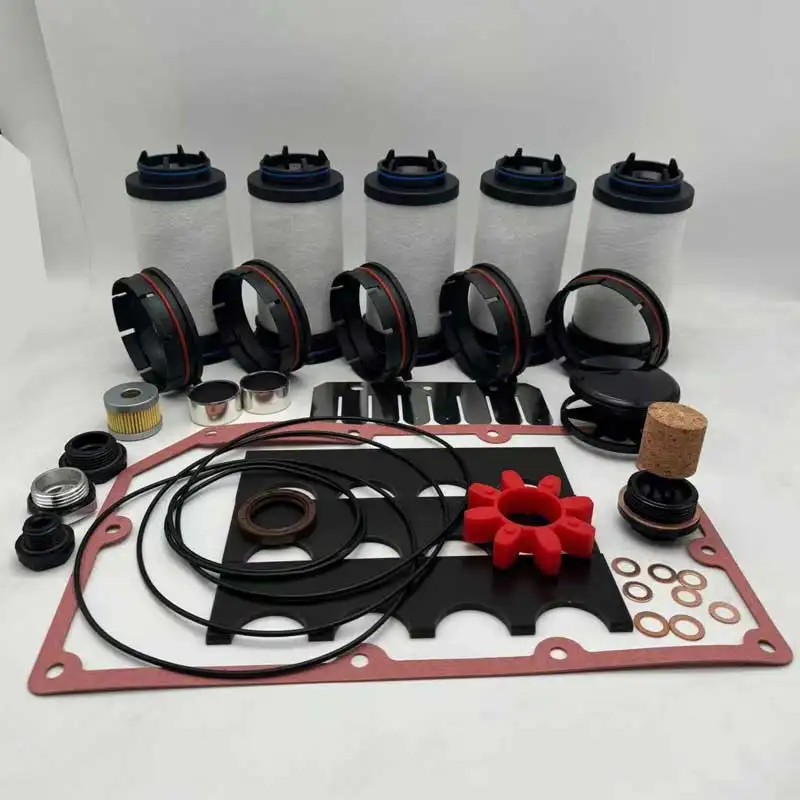
Filter vanes are precision-engineered components designed to regulate airflow, capture particulates, and stabilize fluid dynamics within filtration systems. They play a critical role in HVAC units, air purification devices, industrial dust-collection equipment, energy-sector filtration, and high-end manufacturing processes. By optimizing the direction, pressure distribution, and velocity of passing air or fluid, filter vanes are essential for achieving consistent filtration accuracy, reduced turbulence, and extended filter life.
How Do Filter Vanes Work and What Technical Parameters Define High-Quality Performance?
How Filter Vanes Function in Fluid and Airflow Control
Filter vanes shape airflow or fluid flow within filtration systems. They maintain directional stability by reducing turbulence, minimizing pressure loss, and guiding particulates toward collection or separation surfaces. Their design ensures that systems operate with maximum efficiency, especially in applications requiring high-precision filtration such as aerospace, semiconductor manufacturing, pharmaceutical production, and cleanroom technology.
To establish consistent control, filter vanes typically function through three core mechanisms:
-
Directional Flow Guidance
The vane geometry regulates how air or fluid enters the filtration zone, ensuring smooth movement and reducing chaotic high-velocity pockets. -
Particle Separation Optimization
By controlling the angle and distribution of flow, the vanes increase the likelihood of particle capture, thereby improving filtration accuracy. -
System Stability Enhancement
Vanes reduce vibration and airflow pulsation, maintaining steady system performance and extending system lifespan.
Key Product Parameters That Determine Filter Vane Quality
Below is a technical overview of typical parameters evaluated when selecting premium-grade filter vanes:
| Parameter | Description |
|---|---|
| Material Composition | Stainless steel, aluminum alloy, reinforced polymer, glass-fiber composite, high-temperature engineered plastics |
| Vane Thickness | 0.5–3.0 mm depending on system requirement |
| Operating Temperature Range | -40°C to 250°C for standard materials; higher with specialized coatings |
| Airflow Resistance Coefficient | 0.02–0.08 depending on vane shape and application |
| Corrosion Resistance Rating | Up to Grade 9 for industrial environments |
| Surface Finish | Polished, anodized, coated, or micro-textured to minimize turbulence |
| Customizable Angles | 15°, 30°, 45°, 60°, or fully customized flow-control geometry |
| Installation Compatibility | Clip-in, bolted, modular frame systems, or integrated filtration structures |
These parameters allow engineers and buyers to precisely match vane specifications to a system’s performance requirements.
Why Are Filter Vanes Becoming Critical in Modern Filtration Systems? Key Advantages and Industrial Applications
Performance Advantages
1. Enhanced Filtration Efficiency
The controlled directional flow improves the capture of small particulates and supports consistent filtration output across varying load conditions.
2. Reduced Energy Consumption
By minimizing turbulence and stabilizing pressure zones, systems require less power to maintain targeted throughput.
3. Extended Filter Lifespan
With reduced air velocity fluctuations and optimized flow patterns, debris loads are distributed more evenly across filter surfaces.
4. Improved System Reliability
High-quality filter vanes reduce operational strain on fans, blowers, and pumps, decreasing the frequency of maintenance events.
5. Compatibility with High-Demand Environments
Filter vanes can be engineered to withstand corrosive settings, extreme temperatures, or high particulate densities.
Industrial Fields That Benefit from Filter Vanes
-
HVAC and building ventilation systems seeking stable airflow and improved indoor air quality
-
Cleanroom and semiconductor manufacturing facilities needing ultra-low particle contamination
-
Pharmaceutical and biotech production areas with strict sanitary air handling requirements
-
Food processing and packaging lines requiring particulate control
-
Industrial dust collectors, including mining, woodworking, metalworking
-
Automotive and aerospace sectors, especially assembly plants and painting booths
-
Energy and petrochemical industries, where high-pressure filtration systems operate continuously
How Filter Vanes Contribute to System Optimization
Filter vane integration strengthens filtration systems by:
-
Equalizing airflow distribution
-
Reducing pressure drop
-
Improving downstream filter loading symmetry
-
Enabling higher processing speeds without compromising quality
-
Supporting the function of HEPA, ULPA, cartridge, bag, and pleated filters
These improvements ultimately lead to better air quality, higher equipment performance, operational cost savings, and regulatory compliance.
What Are the Future Trends of Filter Vanes and How Are They Shaping Tomorrow’s Filtration Technology?
Emerging Innovations in Filter Vane Design
-
Aerodynamic Micro-Structured Surfaces
Future filter vanes may adopt micro-textures inspired by natural airflow-control structures, reducing drag and enhancing directional precision. -
Smart Sensing Integration
Embedded micro-sensors could monitor pressure, velocity, temperature, and contamination levels in real time. -
Advanced Composite Materials
Lightweight, corrosion-resistant composite vanes promise longer durability and improved temperature stability for industrial environments. -
Adaptive Geometry
Adjustable vanes that alter their angles automatically according to system load could redefine efficiency in dynamic filtration environments. -
More Sustainable Manufacturing
Manufacturers are shifting toward recyclable materials and low-energy production methods.
Market Trends Driving Filter Vane Growth
-
Rising global demand for clean air technologies
-
Increased industrial automation
-
Expansion of semiconductor and biotechnology sectors
-
Tighter air quality regulations
-
Growth in high-performance HVAC systems for commercial and residential spaces
These trends highlight the increasing importance of precision-engineered filter vanes for future industrial and environmental applications.
Common Questions About Filter Vanes
Q1: How should filter vanes be maintained to ensure long-term performance?
A1: Filter vanes should be inspected regularly for accumulation of particles, corrosion, deformation, or coating wear. Cleaning schedules depend on operating environment conditions, but most industrial systems recommend quarterly maintenance. In environments with high particulate density, more frequent cleaning or replacement may be required. Proper maintenance restores airflow balance and prevents system inefficiencies.
Q2: How do filter vanes improve downstream filter performance?
A2: Filter vanes optimize airflow orientation and minimize turbulence, which results in more uniform particle loading across downstream filters. This prevents localized clogging, supports optimal pressure distribution, and increases overall filter lifespan. Well-designed vanes also reduce the risk of bypassing, ensuring higher capture efficiency.
How Can High-Quality Filter Vanes Strengthen Industrial Filtration Systems?
Filter vanes are essential optimization components for industries requiring stable airflow, high-precision filtration, energy efficiency, and system reliability. Their ability to guide flow, balance pressure, and enhance particulate capture makes them indispensable to modern filtration infrastructure. With advancements in materials, design engineering, and airflow management technology, filter vanes will continue to influence the future of industrial filtration performance.
For organizations seeking reliable, high-quality filter vanes engineered for demanding industrial environments, Lano provides durable, precisely manufactured vane solutions built to support long-term operational excellence.
For product details, customization options, or technical consultation, contact us to receive professional guidance tailored to your system requirements.
Send Inquiry



X
We use cookies to offer you a better browsing experience, analyze site traffic and personalize content. By using this site, you agree to our use of cookies.
Privacy Policy