 English
 Esperanto
  Afrikaans
  Català
  שפה עברית
  Cymraeg
  Galego
  Latviešu
  icelandic
  ייִדיש
  беларускі
  Hrvatski
  Kreyòl ayisyen
  Shqiptar
  Malti
Malti  lugha ya Kiswahili
  አማርኛ
አማርኛ  Bosanski
  Frysk
Frysk  ភាសាខ្មែរ
  ქართული
  ગુજરાતી
  Hausa
Hausa  Кыргыз тили
  ಕನ್ನಡ
ಕನ್ನಡ  Corsa
Corsa  Kurdî
Kurdî  മലയാളം
  Maori
Maori  Монгол хэл
  Hmong
Hmong  IsiXhosa
  Zulu
Zulu  Punjabi
  پښتو
پښتو  Chichewa
  Samoa
Samoa  Sesotho
  සිංහල
සිංහල  Gàidhlig
  Cebuano
  Somali
  Тоҷикӣ
  O'zbek
  Hawaiian
  سنڌي
سنڌي  Shinra
  Հայերեն
  Igbo
Igbo  Sundanese
  Lëtzebuergesch
  Malagasy
  Yoruba
  অসমীয়া
  ଓଡିଆ
ଓଡିଆ  Español
  Português
  русский
  Français
  日本語
日本語  Deutsch
  tiếng Việt
  Italiano
  Nederlands
  ภาษาไทย
  Polski
  한국어
한국어  Svenska
  magyar
  Malay
Malay  বাংলা ভাষার
  Dansk
Dansk  Suomi
Suomi  हिन्दी
  Pilipino
  Türkçe
  Gaeilge
  العربية
  Indonesia
  Norsk
Norsk  تمل
تمل  český
český  ελληνικά
  український
  Javanese
  فارسی
فارسی  தமிழ்
தமிழ்  తెలుగు
  नेपाली
  Burmese
  български
  ລາວ
ລາວ  Latine
  Қазақша
  Euskal
  Azərbaycan
  Slovenský jazyk
  Македонски
  Lietuvos
  Eesti Keel
  Română
  Slovenski
  मराठी
मराठी  Srpski језик


What are bucket teeth used for?
The main uses of bucket teeth include protecting the blade, reducing resistance, improving work efficiency and reducing fuel consumption.
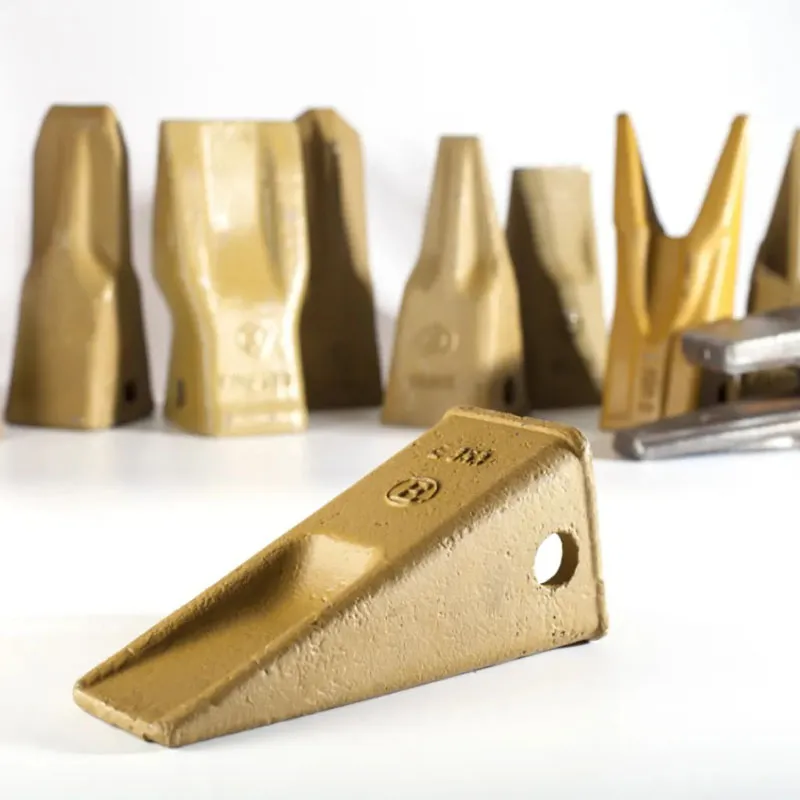
Bucket teeth are installed on the bucket, mainly used to protect the blade and reduce its wear during operation. The design of bucket teeth can better separate and shovel goods, reduce resistance during operation, and make the shoveling process more labor-saving. In addition, suitable bucket teeth can significantly improve the working efficiency of the excavator, reduce fuel consumption, and thus improve the overall work efficiency.
According to different working conditions, bucket teeth can be divided into the following categories:
Earthwork teeth: suitable for light working environments such as excavating soil, sand, gravel, etc., with a large stacking surface, high filling coefficient and high working efficiency.
Rock teeth: suitable for heavy working environments such as ore and stone mines, made of wear-resistant steel, better excavation performance and more outstanding economy.
Conical teeth: mainly used for mining in coal mines and ground mines, suitable for drilling rock formations with low hardness.
Selecting and using suitable bucket teeth is crucial to improving the working efficiency of excavators and reducing maintenance costs.
Previous:How to Choose the Right Truck Parts?
Send Inquiry



X
We use cookies to offer you a better browsing experience, analyze site traffic and personalize content. By using this site, you agree to our use of cookies.
Privacy Policy